

Central Park deserves its fame, but it is only one part of New York City’s enormous network of green spaces. Across the five boroughs, parks offer skyline views, beaches, forests, wetlands, playgrounds, gardens, historic sites and waterfront promenades. Some are destinations in their own right; others are best used as a quiet break while exploring a neighborhood.
This guide focuses on the best parks in New York beyond Central Park, with practical advice on who each park suits, how long to spend and what to combine nearby.
1. Brooklyn Bridge Park
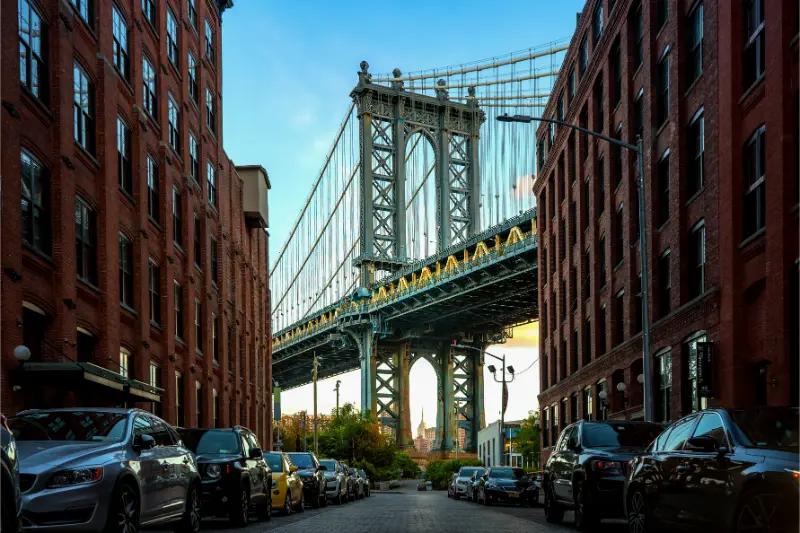
If you want dramatic skyline views without paying for an observation deck, Brooklyn Bridge Park should be near the top of your list. The waterfront stretches beneath and around the Brooklyn Bridge, with lawns, piers, gardens, playgrounds and views toward Lower Manhattan.
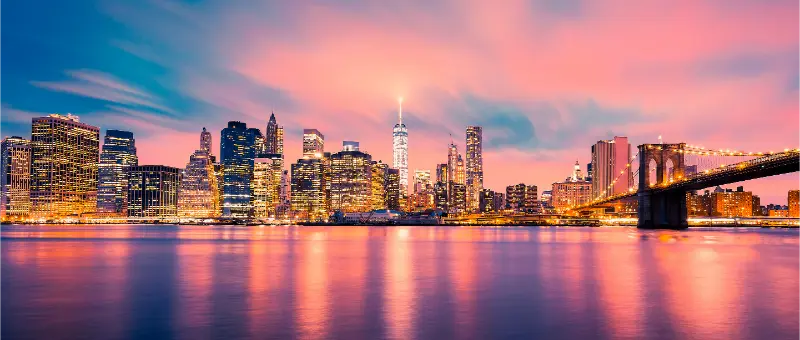
The park is free and open daily. In 2026, the main park hours are generally 6 a.m. to 1 a.m., although individual piers, playgrounds and facilities have shorter schedules. Check the official park information for seasonal closures.
Allow two to three hours if you want to walk from DUMBO toward Pier 6. Combine it with our DUMBO and Brooklyn Heights guide.
2. Prospect Park
Designed by Frederick Law Olmsted and Calvert Vaux, who also shaped Central Park, Prospect Park is Brooklyn’s great urban green space. It feels more local than Central Park and is especially good for picnics, running, family time and a break from busy neighborhoods.
Highlights include Long Meadow, the lake, wooded Ravine areas and access to attractions around the park’s edges. The Brooklyn Botanic Garden and Brooklyn Museum sit nearby, making this an easy full-day cultural cluster.
If you are staying in Brooklyn, Prospect Park can replace a second Central Park visit and show you a different side of the city.
3. The High Line
The High Line is not a traditional park. It is an elevated linear landscape built on former freight-rail infrastructure along Manhattan’s West Side. Gardens, public art, architecture and city views make it one of New York’s most distinctive walks.
It can be crowded in the middle of the day. Early morning is calmer, while late afternoon offers beautiful light. Walk one direction rather than constantly entering and exiting.
Pair it with Chelsea Market, galleries or Hudson Yards using our Chelsea and High Line guide.
4. Bryant Park
Behind the New York Public Library in Midtown, Bryant Park is small but exceptionally useful. It works as a coffee stop, lunch break, people-watching spot and seasonal event space.
In warm months, tables and lawns create an outdoor living room. In winter, the area transforms around the seasonal Winter Village and ice rink. Because it sits close to Times Square, Grand Central and Fifth Avenue, it is easy to add without sacrificing sightseeing time.
5. Washington Square Park
Washington Square Park is the social heart of Greenwich Village. The arch and fountain are recognizable, but the real appeal is watching city life: musicians, students, chess players, dog walkers and neighborhood regulars.
You do not need hours here. Twenty to forty-five minutes is enough for most visitors, followed by a walk through the Village. Our Greenwich Village and West Village guide builds a route around it.
6. Hudson River Park
Hudson River Park runs for miles along Manhattan’s West Side, linking multiple piers and neighborhoods. It is less a single attraction than a chain of waterfront experiences.
Piers offer sports, lawns, river views, events and places to sit. You can use the park as a walking or cycling corridor between Greenwich Village, Chelsea and Midtown West.
Sunset is especially attractive, but wind off the Hudson can make the temperature feel cooler than a few blocks inland.
7. Little Island
Rising on sculptural supports above the Hudson, Little Island combines gardens, paths, seating and performance spaces in a compact footprint. It is visually striking and easy to pair with Chelsea or the Meatpacking District.
Crowd controls or event reservations may apply at certain times, so check the official site if you are visiting during a major program. Otherwise, it works well as a 30-to-60-minute stop.
8. Battery Park
At Manhattan’s southern tip, The Battery gives you harbor views, access to ferries and a green transition between the Financial District and the water. It is where many travelers pass on their way to the Statue of Liberty, but the park itself is worth a slower walk.
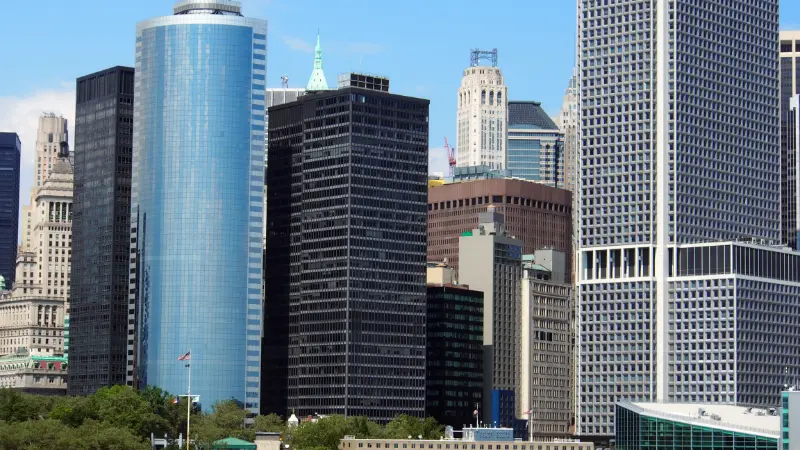
Look toward Governors Island, Ellis Island and the Statue of Liberty, then continue into Lower Manhattan. The park is also a useful place to rest after walking the Financial District.
9. Riverside Park
Running along Manhattan’s Upper West Side, Riverside Park is quieter and more linear than Central Park. It offers paths, river views, playgrounds, gardens and a strong neighborhood atmosphere.
Different sections feel very different, so choose the part closest to your itinerary. The 91st Street Garden area is particularly pleasant in warmer months.
Combine it with our Upper West Side guide.
10. Fort Tryon Park
Fort Tryon Park sits high above the Hudson in Upper Manhattan. Landscaped paths, the Heather Garden and views across the river make it feel far from Midtown. The Met Cloisters is located inside the park, creating one of New York’s best art-and-nature combinations.
Give this area at least half a day. Traveling uptown just for a ten-minute view wastes the journey.
11. Flushing Meadows Corona Park
In Queens, Flushing Meadows Corona Park is famous for the Unisphere, a giant steel globe created for the 1964 World’s Fair. The surrounding park also includes cultural institutions, sports facilities, lakes and large open areas.
It is an excellent choice if you are already visiting the Queens Museum, New York Hall of Science or a sporting event. Distances are substantial, so check a map before assuming you can cross the whole park quickly.
12. Gantry Plaza State Park and Hunter’s Point South Park
On the Long Island City waterfront, these neighboring parks offer some of the best free views of Midtown Manhattan. Gantries, piers, lawns and seating create a dramatic foreground for the skyline.
Visit in late afternoon and stay through blue hour if the weather is good. The area is especially photogenic, and it is easy to reach by subway or NYC Ferry.
13. Domino Park
Domino Park in Williamsburg was developed on the former Domino Sugar refinery waterfront. Industrial remnants, lawns, seating and East River views make it a compact but distinctive Brooklyn park.
It works best as part of a Williamsburg day rather than a destination by itself. Continue along the neighborhood using our Williamsburg guide.
14. Van Cortlandt Park
In the Bronx, Van Cortlandt Park offers trails, woodland, sports fields and a scale that surprises visitors who think New York’s parks are all landscaped city lawns.
It is best for repeat visitors, runners, hikers and travelers staying longer than a few days. Choose a trail or activity in advance rather than wandering without a plan.
15. Pelham Bay Park
Pelham Bay Park is New York City’s largest public park by area. It includes woodland, wetlands, shoreline and Orchard Beach. The distance from central Manhattan means it makes sense mainly for a dedicated outdoor day.
In summer, Orchard Beach can be a destination in its own right. Swimming and lifeguard operations are seasonal, so check NYC Parks before traveling.
16. Fort Greene Park
In Brooklyn, Fort Greene Park is a neighborhood park with historic significance, sloping lawns and the Prison Ship Martyrs’ Monument. It is smaller than Prospect Park but easier to integrate into a day around Downtown Brooklyn or Fort Greene.
On weekends, nearby markets, cafés and residential streets can make the area feel more like local New York than a major attraction.
17. Tompkins Square Park
Tompkins Square Park anchors the East Village. Its history reflects the neighborhood’s long relationship with immigration, protest, music and changing urban culture.
Today it functions primarily as a local park. Walk through while exploring the East Village rather than crossing Manhattan specifically for it.
18. Greenacre Park
This tiny Midtown East space proves a park does not need to be large to be memorable. Greenacre Park is known for its waterfall, greenery and intimate seating.
It is ideal when you need twenty quiet minutes between Midtown stops. Because privately owned public spaces can have specific operating hours, check signage when you arrive.
Best parks for skyline views
For classic Manhattan views, prioritize Brooklyn Bridge Park, Gantry Plaza State Park, Hunter’s Point South Park and parts of Governors Island. The Battery and Hudson River Park offer strong harbor and river perspectives rather than the full skyline.
If photography is your priority, see our best New York photo spots guide.
Best parks for families
Prospect Park, Brooklyn Bridge Park and Governors Island are particularly good for children because they combine open space with play areas and nearby family attractions. Central Park remains excellent, but adding a Brooklyn park can make a longer family trip feel more varied.
Best parks in bad weather
Most parks are obviously better in dry weather. Light rain can still be atmospheric, but heavy rain, thunderstorms, snow or extreme heat can make long outdoor plans uncomfortable or unsafe.
Keep an indoor alternative from our rainy day New York guide.
How to plan park time without losing sightseeing hours
The easiest approach is to pair parks with nearby neighborhoods: Bryant Park with Midtown, Washington Square with Greenwich Village, Domino Park with Williamsburg, Riverside Park with the Upper West Side and Brooklyn Bridge Park with DUMBO.
Do not cross the city for every green space on this list. Choose parks that naturally fit your route and use them to make dense sightseeing days more comfortable.
Frequently asked questions
What is the best park in New York besides Central Park?
For a first-time visitor, Brooklyn Bridge Park offers the strongest combination of skyline views, easy access and nearby attractions. Prospect Park is better if you want a true large urban park experience.
Are New York parks free?
Most city and state parks are free to enter, though specific attractions, sports facilities, events or concessions may charge fees.
Which park has the best Manhattan skyline view?
Brooklyn Bridge Park and the Long Island City waterfront parks are among the best free options.
Final thoughts
New York’s parks are not simply places to rest between attractions. They reveal how each borough relates to water, neighborhood life and open space. Add one or two beyond Central Park and your trip will feel less like a checklist and more like an exploration of the city itself.