

The Upper West Side is one of the best neighborhoods in Manhattan for travelers who want major attractions without the intensity of Midtown. Central Park forms one edge, Riverside Park the other, and between them are brownstones, prewar apartment buildings, bookstores, restaurants, Lincoln Center and the American Museum of Natural History. It feels unmistakably New York, but usually at a calmer pace.
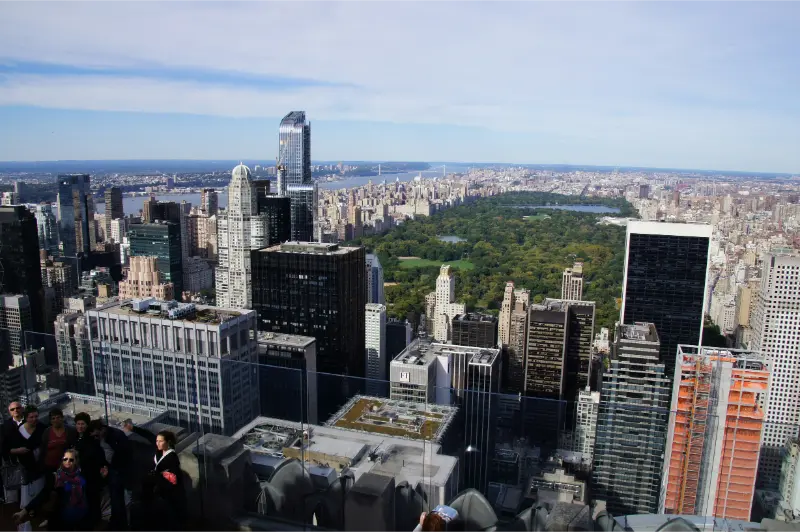
This Upper West Side guide is designed for first-time and repeat visitors who want to combine museums, architecture, parks and neighborhood life in a logical walking route.
Where is the Upper West Side?
For most visitors, the Upper West Side runs roughly from Columbus Circle and 59th Street north toward 110th Street, between Central Park and the Hudson River. Broadway cuts diagonally through the neighborhood, while Amsterdam and Columbus Avenues are major restaurant and shopping corridors.
The 1, 2 and 3 subway lines serve Broadway, while the A, B and C run along Central Park West. That makes the neighborhood easy to reach from both Midtown and Downtown.
1. American Museum of Natural History
The American Museum of Natural History is one of New York’s best family attractions and one of the easiest places to underestimate. Dinosaurs, biodiversity, human cultures, space science and the modern Gilder Center can fill most of a day.
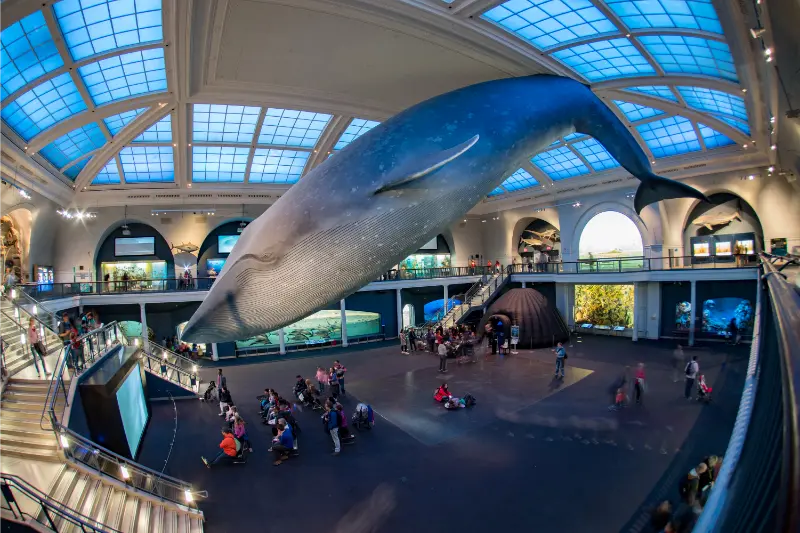
In 2026 the museum lists regular hours of 10 a.m. to 5:30 p.m. daily, with Thanksgiving and Christmas closures. General adult admission for out-of-state visitors is listed at $25, while New York State residents have separate pay-what-you-wish rules for general admission. Check current details on the official museum website.
Families should choose priority halls before entering. Trying to see every floor can turn an exciting museum into an endurance test.
2. Central Park West
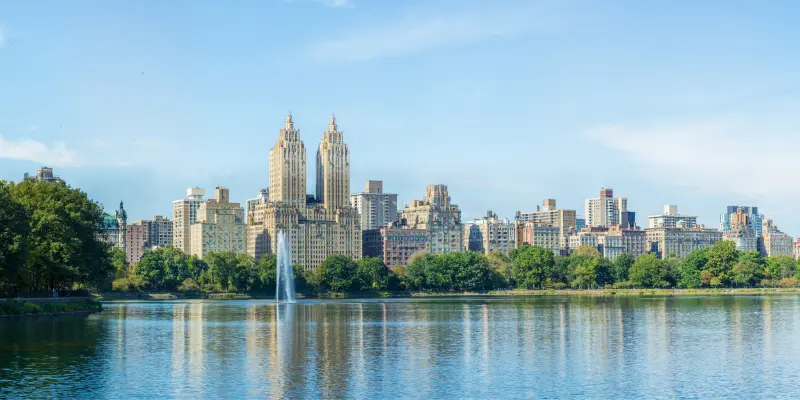
Central Park West is one of Manhattan’s great residential avenues. Buildings such as the Dakota and the San Remo are architectural landmarks, while side streets reveal brownstones and quieter residential blocks.
Walk at least part of the avenue instead of taking the subway between every attraction. The facades, park edge and shifting views are part of the Upper West Side experience.
3. Strawberry Fields
Inside Central Park near 72nd Street, Strawberry Fields is a memorial landscape dedicated to John Lennon. The Imagine mosaic draws visitors throughout the day.
It is a small space, so keep your expectations realistic. Visit, pause and move on rather than treating the mosaic as a long photo session. Nearby paths lead naturally toward the Lake, Bethesda Terrace and the Ramble.
4. The Dakota
Across from Central Park, the Dakota is one of New York’s most recognizable apartment buildings. It is a private residence, so admire the exterior and architecture without lingering around entrances or photographing residents.
The building’s history and associations make it an interesting stop, but it works best as part of a wider 72nd Street walk.
5. Lincoln Center
Lincoln Center for the Performing Arts is home to major institutions including the Metropolitan Opera, New York City Ballet and New York Philharmonic. You do not need a performance ticket to enjoy the plaza and architecture, but attending a concert, opera or ballet can become one of the most memorable evenings of a trip.
Programming changes constantly. Check the official calendar rather than relying on a generic “what’s on” list months in advance.
6. Columbus Circle
At the southern gateway to the neighborhood, Columbus Circle connects Central Park, Broadway and Midtown West. It is useful as an orientation point rather than a destination that needs hours.
If you are walking north from Midtown, enter Central Park briefly here, then exit around 66th or 72nd Street to continue through the Upper West Side.
7. Riverside Park
The Upper West Side’s other great green space is Riverside Park, running along the Hudson River. It is less tourist-heavy than Central Park and ideal for walking, cycling, playgrounds and sunset views.
The park changes significantly by section. Some areas sit high above the river, while others connect to waterfront paths and recreation spaces. If sunset is clear, the Hudson side can be a beautiful end to the day.
8. Riverside Drive
Riverside Drive is one of Manhattan’s most attractive residential streets, with prewar buildings, monuments and views toward the park. Architecture enthusiasts should walk a few blocks rather than staying entirely on Broadway.
The stretch around the 70s and 80s works well after a museum visit because it provides open air and much less commercial noise.
9. Broadway and neighborhood food
Broadway is the Upper West Side’s main commercial spine, with supermarkets, cafes, restaurants and everyday services. Amsterdam and Columbus Avenues often feel more intimate for dining.
The neighborhood has classic Jewish appetizing and deli traditions, modern restaurants, bakeries and international food. If a famous place has a huge line, remember that this is a residential district with many alternatives.
See our New York food guide for more ideas.
10. Zabar’s
Zabar’s at Broadway and 80th Street is one of the neighborhood’s best-known food institutions, famous for smoked fish, cheese, coffee and prepared foods. It can be chaotic at busy times, but that is part of the experience.
For a low-cost picnic, buy a few items and take them to Riverside Park or Central Park instead of sitting down for another restaurant meal.
11. Beacon Theatre
The Beacon Theatre on Broadway is a historic venue hosting concerts, comedy and special events. If your trip dates match a performer you like, it can be an excellent alternative to a Broadway show.
Event schedules vary, and popular performances sell quickly, so check the official venue calendar once your travel dates are fixed.
12. Cathedral and Morningside Heights extension
If you continue north beyond the classic Upper West Side, Morningside Heights adds Columbia University, Riverside Church and the Cathedral Church of Saint John the Divine. This extension works especially well for repeat visitors or travelers staying a week.
Do not force it into a short half-day route. The northern extension deserves another two or three hours if architecture and university neighborhoods interest you.
A half-day Upper West Side route
Start at the American Museum of Natural History, spend two hours on selected halls, walk past the Dakota and Strawberry Fields, continue through brownstone streets toward Broadway, then finish at Riverside Park around sunset.
If you are not visiting the museum, begin at Lincoln Center and walk north through the neighborhood before crossing to Riverside Park.
A full-day itinerary
Spend the morning at the Natural History Museum, have lunch around Amsterdam or Columbus Avenue, walk Central Park or Riverside Drive, then visit Lincoln Center in the late afternoon. Finish with a performance, neighborhood dinner or Hudson River sunset.
This is one of the easiest Manhattan days to keep geographically compact.
Upper West Side with children
The neighborhood is exceptionally family-friendly by New York tourist standards. The Natural History Museum is an obvious anchor, while both Central Park and Riverside Park provide playgrounds and open space.
Do not schedule the museum for five straight hours with young children. Break the day with food and outdoor time. Strollers are manageable on broad avenues, though subway elevators are not available at every station.
Where to stay
The Upper West Side is a strong base for families, museum lovers and travelers who prefer quieter evenings. Subway connections to Times Square and Downtown are good, while Central Park is always close.
The main trade-off is distance from Lower Manhattan and some Brooklyn attractions. Compare it with Midtown and the Upper East Side in our where to stay guide.
Best time to visit
Spring and fall are ideal because park walks become a major part of the day. Summer evenings along Riverside Park can be excellent, while winter makes the museums, Lincoln Center and neighborhood restaurants more important.
Weekend mornings feel lively but relaxed. Major museum areas become busiest from late morning through mid-afternoon.
Upper West Side versus Upper East Side
The Upper West Side often feels more casual and residential, with the Natural History Museum, Lincoln Center and Riverside Park. The Upper East Side has Museum Mile, Madison Avenue and a more formal Fifth Avenue character. Neither is “better”; the choice depends on your interests.
You can cross Central Park between them, but allow enough time and daylight for the route.
Common mistakes to avoid
- Spending all day inside the Natural History Museum and seeing none of the neighborhood.
- Ignoring Riverside Park because Central Park is more famous.
- Assuming Broadway is the only street worth walking.
- Taking intrusive photos around private residential buildings.
- Trying to add Morningside Heights to an already packed half day.
- Waiting an hour for a famous food stop when good alternatives are nearby.
- Crossing Central Park late at night just to save a subway ride.
Frequently asked questions
Is the Upper West Side good for first-time visitors?
Yes, especially if you like museums, parks and a more residential feel. It is also well connected to Midtown by subway.
How long do I need at the Natural History Museum?
Two to four hours is a practical first visit. Families may want longer, but breaks are important.
Is Riverside Park worth visiting?
Yes. It is one of the best places to see a local side of Manhattan and offers excellent Hudson River sunsets.
Can I walk from the Upper West Side to Times Square?
Yes from the southern part, but the subway is usually faster. From Lincoln Center, the walk is manageable if you enjoy city streets.
Final advice
The Upper West Side is at its best when you stop treating it as the area around one museum. Use Central Park and Riverside Park as two green edges, wander the avenues between them and leave room for a bookstore, bakery or residential street that was never on your checklist. It is one of the easiest places to experience New York at a human pace.
[…] An 1880s luxury apartment landmark facing Central Park; admire from public sidewalks and respect resident privacy. Read our detailed guide […]