

South Street Seaport is one of the best places in Lower Manhattan to feel New York’s relationship with the water. Historic brick buildings, cobbled streets, tall ships, piers and East River views sit only a short walk from the Financial District, yet the atmosphere can feel completely different from Wall Street. The area combines maritime history with restaurants, shops, public spaces and the modern waterfront around Pier 17.
For first-time visitors, the Seaport works best as part of a Lower Manhattan route rather than a standalone day. The South Street Seaport Museum gives the neighborhood historical depth, while the piers provide free skyline and Brooklyn Bridge views. This guide explains what to see, current museum admission, how long to spend and how to connect the Seaport with the Brooklyn Bridge or Financial District.
Where is South Street Seaport?
The historic district sits along the East River around Fulton Street, Water Street and Pier 17. It is roughly a ten-minute walk from Wall Street and the World Trade Center area is farther west. The Brooklyn Bridge begins immediately to the north.

Use our Lower Manhattan guide to build a coherent day instead of taking separate subway trips for the Seaport, 9/11 Memorial and Wall Street.
Start with the historic streets
Walk the blocks around Fulton and Water Streets before heading straight to Pier 17. The scale of the older buildings helps explain how different the nineteenth-century port looked from the skyscraper district nearby.
This is not a perfectly preserved historical village; the neighborhood has been repeatedly rebuilt and commercialized. The interesting part is the contrast between surviving maritime fabric and modern Lower Manhattan.
South Street Seaport Museum
The official museum admission page currently lists general museum hours of Wednesday through Sunday, 11:00 a.m. to 5:00 p.m., with last entry at 4:30 p.m. Standard adult admission is currently $18, with reduced senior/student and child rates.
Admission includes multiple parts of the museum campus, which can include galleries in historic buildings and access to ships at Pier 16 depending on operations and weather. Because this is a working waterfront museum, individual vessel access can change.
Wavertree and Ambrose
Two major historic vessels help give the museum its character. Wavertree, an 1885 tall ship, and the 1908 lightship Ambrose connect abstract maritime history to real working spaces. Guided ship tours are offered during museum hours when conditions allow.
Historic ships involve gangways, narrow passages and changing weather. Wear secure shoes and follow crew instructions. Strollers and bulky bags may need to remain off the vessel.
Maritime City and the galleries
The museum’s indoor exhibitions explain New York’s development as a port: trade, labor, ships, waterfront communities and the infrastructure that connected the city to the world. These galleries make the surrounding streets more meaningful because you understand why this part of Manhattan mattered long before finance towers dominated the skyline.
Allow time inside even on a sunny day. The Seaport is visually attractive enough that many visitors stay outdoors and miss the history that distinguishes it from any other restaurant-and-waterfront district.
Bowne & Co.
Bowne & Co., Stationers recreates the atmosphere of a nineteenth-century-style print shop and stationery store. Entry is generally free during museum operating hours, making it an easy stop even if you do not buy full museum admission.
It is a small experience rather than a major attraction, but it fits the district well and offers a useful reminder that port neighborhoods were also places of publishing, commerce and everyday business.
Pier 17
Pier 17 is the modern counterpoint to the historic district, with restaurants, event spaces and open waterfront views. The rooftop hosts seasonal concerts and activities, while the public edges of the pier can be excellent for views toward Brooklyn and the East River.
Event access changes, but you do not need a concert ticket to enjoy the broader waterfront district. Check the current schedule only if a rooftop event is central to your plan.
Best Brooklyn Bridge views
The Seaport offers some of the easiest low-angle views of the Brooklyn Bridge from Manhattan. Walk north along the river and experiment with perspectives that include historic ships or piers in the foreground.
If you plan to cross afterward, use our Brooklyn Bridge walking guide and enter the pedestrian path from the Manhattan side. Late afternoon can create a beautiful sequence from Seaport waterfront to bridge sunset, but crowd levels rise.
Seaport vs DUMBO
The Seaport and DUMBO face each other across the East River but offer different experiences. The Seaport emphasizes maritime history and Financial District proximity; DUMBO offers Brooklyn Bridge Park, cobblestone streets and classic Manhattan skyline views.
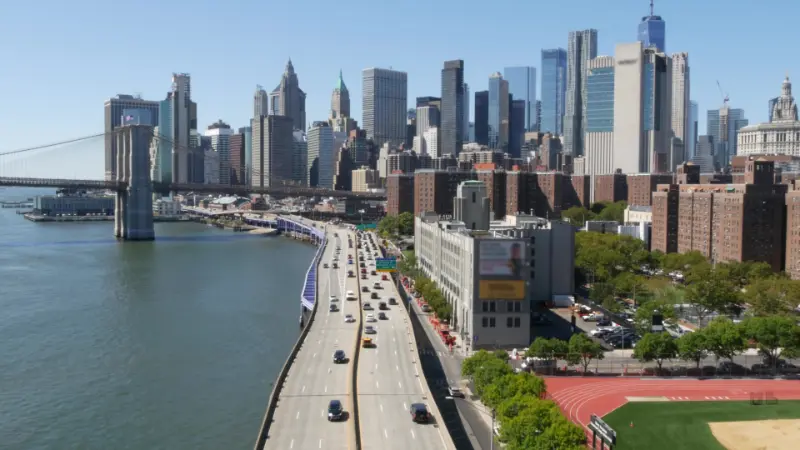
Combining both by walking across the Brooklyn Bridge is one of the strongest half-day routes in New York. Just avoid scheduling a timed museum entry immediately after the bridge because crossing times vary with crowds and photography stops.
How long should you spend?
Two hours is enough for the streets, pier and waterfront if you skip the museum. Allow three to four hours if you visit museum galleries and historic ships. Add more time for a meal or bridge crossing.
The district is best explored slowly. Ten minutes on the pier plus one photograph of the ships does not reveal why the neighborhood is historically important.
Best time to visit
Late afternoon into early evening is especially attractive because light improves over the East River and restaurants become livelier. For museum visitors, arrive earlier so you are not racing the 5:00 p.m. closing time.
Winter can be windy on the river, while summer heat is stronger on exposed piers. Spring and fall are ideal for combining indoor museum time with long outdoor walks.
Food and restaurants
The Seaport has many restaurants, but waterfront location often comes with higher prices. If food quality matters more than sitting directly on the river, compare options in the Financial District, Chinatown or nearby Lower East Side before committing.
Our where to eat in New York guide can help you decide whether the Seaport meal itself is part of the experience or simply a convenient stop.
Families
Ships and waterfront spaces can work very well with children, especially when history is broken into short, tangible experiences. A tall ship, printing shop and bridge view are easier for many children to process than a long conventional museum gallery.
Keep close supervision around piers and gangways, and check age or access restrictions for individual vessel programs before promising children a specific onboard experience.
Accessibility
Modern public areas and many museum spaces provide accessible routes, but historic vessels have inherent physical constraints. The museum publishes accessibility information and can advise which ship areas are practical for specific mobility needs.
If step-free access is essential, plan the museum around accessible galleries first and treat ship boarding as optional depending on current conditions.
Common mistakes
- Visiting only Pier 17 and missing the historic streets.
- Arriving at the museum near closing and expecting to tour ships and galleries.
- Assuming every historic vessel is open regardless of weather.
- Booking a timed Brooklyn attraction too soon after a bridge crossing.
- Paying waterfront restaurant prices without checking what you actually want from the meal.
Is South Street Seaport worth it?
Yes, particularly because it adds variety to a Lower Manhattan day. After memorials, skyscrapers and financial landmarks, the river and historic ships create a different sense of the city.
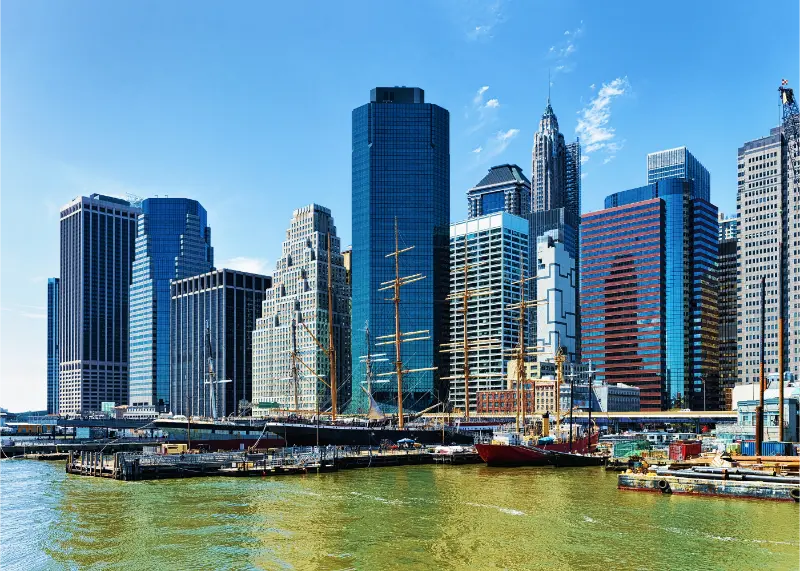
The strongest plan is simple: walk the old streets, choose whether the museum interests you, spend time on the waterfront and then continue across the Brooklyn Bridge or back through the Financial District. The Seaport is not a giant attraction; it is a neighborhood that rewards connection.
A practical way to fit this into your itinerary
Treat South Street Seaport Guide as the anchor of one geographically compact half-day. New York itineraries become tiring when a paid attraction is followed by a cross-town transfer, another security line and a second reservation with no breathing room. Choose one nearby neighborhood, meal or park and let those pieces complete the day.
If you are traveling with children, older relatives or anyone who needs a slower pace, add at least thirty minutes more than the official visit duration. Restrooms, elevators, coat checks, queues and simple decisions about food all take time. That margin is often the difference between an enjoyable attraction and a day spent watching the clock.
Check the official website again the evening before you visit. Live venues can change tours, zoos adjust seasonal schedules, museums alter exhibitions and outdoor spaces can close sections for weather or maintenance. Saving the current ticket confirmation and address offline also makes arrival easier if mobile reception is poor underground or inside a large building.
Finally, use the rest of Dreaming New York as a planning network rather than reading this guide in isolation. Our first-time New York travel guide explains the broader rhythm of a city trip, including transport, neighborhoods and how much free time to leave between major sights.
Who will enjoy this most?
This stop works best for travelers who are genuinely interested in its subject rather than people collecting attractions only because they appear on a “must-see” list. New York has too many excellent alternatives to spend two or three hours somewhere that does not match your interests. Use your limited paid-attraction budget on places that create a different kind of experience from the rest of your itinerary.
Repeat visitors can also use it as a neighborhood anchor. Instead of returning immediately to Times Square or Midtown, walk the surrounding streets, eat nearby and notice how local life changes from one borough or district to another. That is often where a second or third New York trip becomes more interesting than the first.