

Eating well in New York is not difficult; deciding where to spend a limited number of meals is. The city has thousands of restaurants, bakeries, food counters, diners, delis, pizzerias and street-food spots, and the best meal of your trip may be a $5 slice, a bowl of noodles in Queens or a reservation you made weeks in advance.
This where to eat in New York City guide is not a list of every famous restaurant. It is a practical way to organize food around your itinerary, with reliable addresses, classic experiences, neighborhood strategies and advice for avoiding overpriced tourist meals.
How to plan food in New York
The biggest mistake is choosing restaurants independently from sightseeing. If you spend the morning Downtown, do not reserve lunch on the Upper West Side simply because someone called it “the best.” New York distances are manageable, but crossing Manhattan for every meal wastes time.
A better rule is to pick one or two destination meals and let the rest follow your neighborhoods. Save several places on your map around each sightseeing zone, then choose according to timing, weather and appetite.
1. Bagels: start with the right expectation
A New York bagel should be dense, chewy and substantial. Classic combinations include cream cheese, smoked salmon, tomato, onion and capers. Some shops are famous enough to generate lines, but many neighborhood bagel stores are excellent.
Russ & Daughters, founded in 1914, remains one of the city’s most important appetizing institutions. The original shop is at 179 East Houston Street on the Lower East Side and specializes in smoked fish, bagels, herring and traditional Jewish appetizing foods. The official site lists the Houston Street shop as open daily, but holiday hours vary, so verify before going.
Pair it with the Lower East Side, SoHo, Nolita or Chinatown rather than making a special Midtown round trip just for breakfast.
2. Pastrami at Katz’s Delicatessen
Katz’s Delicatessen at 205 East Houston Street is one of New York’s most famous deli experiences. The pastrami sandwich is the obvious order, but the atmosphere—the ticket system, counter service, crowded tables and old-school interior—is part of the visit.
Peak lunch periods can be very busy. Go early, late or simply accept the line if this is a priority. Portions are large enough that many couples can share, particularly if they want to eat again later in the day.
3. New York pizza: slice or whole pie?
Pizza is one of the easiest foods to integrate into sightseeing. A classic New York slice is thin enough to fold, quick to eat and ideal for a cheap lunch. Whole-pie institutions offer a different experience and may require more time.
Joe’s Pizza at 7 Carmine Street is a useful Greenwich Village reference for a classic slice. John’s of Bleecker Street at 278 Bleecker Street is known for whole pies rather than individual slices. If you are already exploring the Village, either can fit naturally into the day.
Do not spend an hour traveling to a pizza shop if you are standing beside another highly rated slice place. New York has enough good pizza that geography should matter.
4. Tacos at Los Tacos No. 1
Los Tacos No. 1 began at Chelsea Market and remains one of the city’s most convenient high-quality taco stops. The Chelsea Market location at 75 Ninth Avenue fits perfectly with the High Line, Meatpacking District and Chelsea.
The official Chelsea Market listing shows daily service, but the practical value is not just the tacos: it is a quick meal that does not interrupt a west-side sightseeing route.
5. Soul food in Harlem
Sylvia’s at 328 Malcolm X Boulevard is one of Harlem’s best-known restaurants and an important reference in the neighborhood’s soul-food history. Fried chicken, ribs, greens, cornbread and other classics are part of the appeal.
Use a Harlem meal to deepen a Harlem visit rather than taking the subway north only to eat and immediately leaving. Our Harlem guide shows how to combine lunch with the Apollo area, brownstone streets and northern Central Park.
6. A classic New York steakhouse
New York steakhouses can be expensive, but they remain part of the city’s dining identity. Keens Steakhouse at 72 West 36th Street dates to 1885 and is especially famous for its historic dining rooms and mutton chop as well as steaks.
Because this is a destination meal, reserve if it matters to you. The location near Herald Square makes it easy to combine with Midtown shopping, the Empire State Building or Bryant Park.
7. Chinatown: do not reduce it to one restaurant
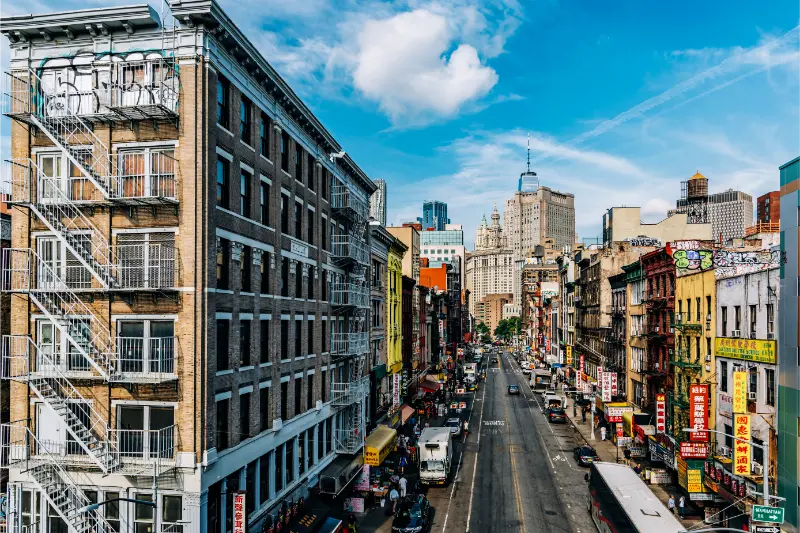
Chinatown is one of the worst neighborhoods to approach with a single viral recommendation. Restaurants specialize in different regional Chinese cuisines, dumplings, noodles, roast meats, dim sum, bakeries and desserts. Walk a few blocks, look at menus and choose based on what you actually want.
Mott Street, Bayard Street and the streets around East Broadway and Canal provide many options, but Chinatown extends beyond its most photographed blocks. If you are comfortable sharing dishes, eating with two or more people lets you try more.
8. Flushing for regional Chinese food
For travelers willing to go deeper into Queens, Flushing offers an even broader range of Chinese regional cuisines along with Korean and other Asian food. The 7 train makes the journey straightforward from Manhattan.
A food court or cluster of casual restaurants can work better than one formal destination because you can share several dishes. Build a Flushing meal into a Queens day with the Unisphere or Queens Museum rather than treating it as a separate expedition.
9. Jackson Heights for global food
Jackson Heights is one of New York’s strongest food neighborhoods for South Asian, Himalayan, Colombian, Ecuadorian, Mexican and other cuisines. Roosevelt Avenue and surrounding streets can provide a full afternoon of eating without any famous landmark at all.
This is where an adventurous approach pays off: share small dishes, try a bakery or street snack, then sit down for one larger meal. Our Queens guide explains how to plan the transit efficiently.
10. Chelsea Market
Chelsea Market is useful for mixed groups because everyone can choose something different. It is also an easy indoor backup in bad weather. The downside is crowding, particularly around lunch and weekends.
Go slightly before or after peak lunch, then continue directly to the High Line. Do not treat the market as a full-day attraction; it works best as part of a larger Chelsea route.

11. Food halls: useful, but not always essential
Food halls solve a practical problem when groups cannot agree, but they can also become expensive grazing zones. Use them for convenience, not because you believe every famous counter must be sampled.
If your group includes children or dietary differences, a good food hall can reduce stress significantly. Check current vendor lists because tenants change more often than established standalone restaurants.
12. Diners and breakfast
The classic New York diner is less dominant than it once was, but it remains a valuable travel tool: early breakfasts, late meals, large menus and simple comfort food. Neighborhood diners are often more useful than destination brunch spots when you have a busy sightseeing morning.
If your hotel does not include breakfast, search within a few blocks and compare menus rather than commuting for pancakes.
13. Coffee and bakery breaks
New York days involve a lot of walking, so a mid-morning or mid-afternoon coffee stop is not wasted time. Bakeries, independent cafes and specialty coffee shops are everywhere. Save a few near your main neighborhoods rather than one “best coffee in NYC” location across town.
In SoHo, Dominique Ansel Bakery at 189 Spring Street is a famous option; in other neighborhoods, let convenience guide you.
14. Cheap food that is actually useful
Pizza slices, bagels, dumplings, tacos, halal carts, bakery items and neighborhood sandwich shops can keep a New York trip affordable without making meals feel like a compromise. The city is one of the easiest places in the United States to alternate one expensive dinner with several satisfying low-cost meals.
Our New York on a budget guide includes a broader money-saving strategy.
15. Street food and halal carts
Street carts are part of New York’s everyday food culture. Quality varies, but a busy cart at lunchtime can be a good sign. Chicken or lamb over rice, hot dogs, pretzels and breakfast carts are common.

Ask the price before ordering if it is not clearly posted, especially in heavily touristed areas. You do not need to seek out the most famous cart if a good option fits your route better.
16. Reservations: what deserves advance planning?
Reserve restaurants that are truly important to you, especially small dining rooms, tasting menus, celebrated steakhouses and weekend dinner spots. Casual pizza, delis and food counters usually do not require the same level of planning.
Do not reserve every meal. Fixed lunch and dinner times can make a sightseeing itinerary brittle, especially when museum visits or subway delays take longer than expected.
Tipping in New York restaurants
For table service, tipping is customary. Many diners use roughly 18–20% or more depending on service, though practices and service-charge policies vary. Check the bill carefully because some restaurants automatically add gratuity for larger parties or specific service formats.
Counter service and takeout screens may suggest tips, but customs differ from full table service. Choose reasonably rather than feeling pressured by the highest suggested percentage.
How much should you budget for food?
Food spending can vary enormously. A traveler using bagels, slices, food counters and casual ethnic restaurants can eat reasonably; a trip built around cocktails, steak and tasting menus can become one of the biggest budget categories.
A good compromise is one memorable dinner every few days, one substantial casual meal and one quick meal each day.
Eating with children
New York is easier with children than many visitors expect because casual food is everywhere. Pizza, bagels, burgers, noodles and markets provide familiar options, while adventurous children can try small portions of many cuisines.
Avoid booking long tasting menus after an exhausting sightseeing day. Our family New York guide covers pacing in more detail.
Food allergies and dietary needs
Major restaurants generally handle dietary questions professionally, but never assume. Explain serious allergies clearly and ask about cross-contamination. Vegan, vegetarian, kosher and gluten-aware options are widespread, though suitability varies by kitchen.
Common food mistakes to avoid
- Crossing the city for every meal.
- Booking three destination restaurants on the same day.
- Eating directly beside major attractions without checking alternatives one or two blocks away.
- Believing every viral place is automatically better than a neighborhood option.
- Ordering portions as if American serving sizes will always match what you eat at home.
- Forgetting to check whether gratuity or a service charge is already included.
- Waiting until 8:00 p.m. with hungry children before deciding where to eat.
Frequently asked questions
What food is New York famous for?
Pizza, bagels, pastrami, cheesecake, hot dogs and deli food are classics, but the city’s immigrant cuisines are equally important to its food identity.
Where should first-time visitors eat?
Choose food that matches your route: bagels or deli on the Lower East Side, pizza in the Village, tacos in Chelsea, soul food in Harlem, and at least one meal in Queens or Brooklyn if time allows.
Do I need restaurant reservations?
For popular sit-down restaurants and special dinners, yes. For casual food and many neighborhood spots, flexibility is better.
Is New York food expensive?
It can be, but the city also has an unusually strong range of affordable slices, bagels, dumplings, tacos and casual international food.
Final advice
Do not try to eat “the best” version of everything. New York’s food culture is too large for that. Choose a few iconic experiences, then let neighborhoods shape the rest. A pastrami sandwich on the Lower East Side, a slice after walking the Village, tacos beside the High Line and noodles in Queens will tell you more about the city than ten reservations chosen from the same top-restaurant list.
[…] New York food guide […]
[…] Where to eat in New York […]
[…] Where to eat […]