

Park Slope offers a version of Brooklyn that feels almost opposite to Times Square: tree-lined streets, brownstones, neighborhood shops, playgrounds and the enormous green edge of Prospect Park. It is not a place built around one must-see attraction. The appeal comes from walking slowly and seeing how residential New York functions outside the central Manhattan tourist circuit.
The neighborhood is particularly rewarding for families, architecture lovers and travelers who enjoy cafés and local shopping. It also sits beside several major Brooklyn attractions, so a Park Slope walk can be combined with Prospect Park, Brooklyn Museum, Brooklyn Botanic Garden or Grand Army Plaza without spending the day on trains.
A useful way to think about this neighborhood is to plan around one or two anchors, then let the streets between them do the rest of the work. If this is your first trip, our New York travel guide for first-time visitors helps you place the neighborhood within a larger itinerary.
Why visit Park Slope Brooklyn?
The neighborhood is particularly rewarding for families, architecture lovers and travelers who enjoy cafés and local shopping. It also sits beside several major Brooklyn attractions, so a Park Slope walk can be combined with Prospect Park, Brooklyn Museum, Brooklyn Botanic Garden or Grand Army Plaza without spending the day on trains. The neighborhood is most rewarding when you approach it for its own character rather than as a place to race through between famous Manhattan landmarks.
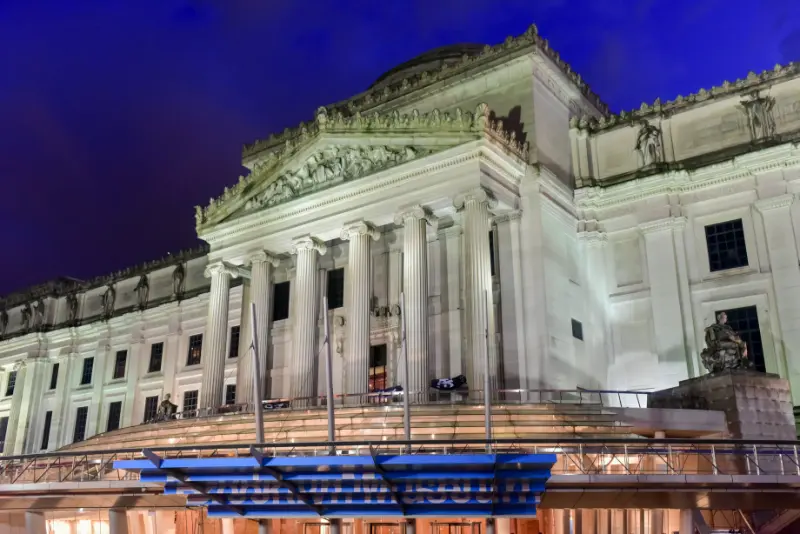
Best things to see and do
Prospect Park
Designed by Frederick Law Olmsted and Calvert Vaux, Prospect Park is the neighborhood’s great outdoor anchor. Meadows, wooded paths, playgrounds, a lake and recreation spaces make it feel more varied than a simple lawn. First-time visitors do not need to walk every loop; choose one section and use the park as part of a neighborhood day.
Grand Army Plaza
The monumental entrance at the north end of Prospect Park gives Park Slope a formal gateway. The Soldiers’ and Sailors’ Arch dominates the circle, and the area is also a useful meeting point for Brooklyn Museum and the Botanic Garden nearby. On Saturdays, the Greenmarket adds a strong local rhythm.
Brownstone side streets
The most photogenic part of Park Slope is not one famous block but the repeated pattern of stoops, trees, bay windows and late-19th-century row houses. Walk east-west side streets between Fifth and Eighth Avenues and you will quickly understand why the area is associated with classic brownstone Brooklyn.
Fifth Avenue
Fifth Avenue is one of the neighborhood’s main commercial corridors, with restaurants, bars, bakeries, shops and practical services. It feels livelier and less polished than Seventh Avenue in places, which makes the two streets a good contrast. Use one for the walk out and the other for the return rather than repeating the same route.

Seventh Avenue
Seventh Avenue has a long-established neighborhood feel with cafés, bookstores, restaurants and family-oriented businesses. It is useful before or after Prospect Park and provides an easy way to turn a park visit into a fuller neighborhood experience without planning a formal attraction every hour.
Old Stone House and Washington Park
The reconstructed Old Stone House recalls the 1776 Battle of Brooklyn and sits within Washington Park. It is a small historical stop rather than a major museum day, but it adds depth to an area often visited only for architecture and brunch. Check current opening information if you want to go inside.
Family-friendly New York
Park Slope is one of the easiest neighborhoods to enjoy with children because playgrounds, casual food, parks and residential streets are integrated into the area. Families do not need to design a special “kids route”; the neighborhood’s normal rhythm already makes breaks, snacks and outdoor time straightforward.
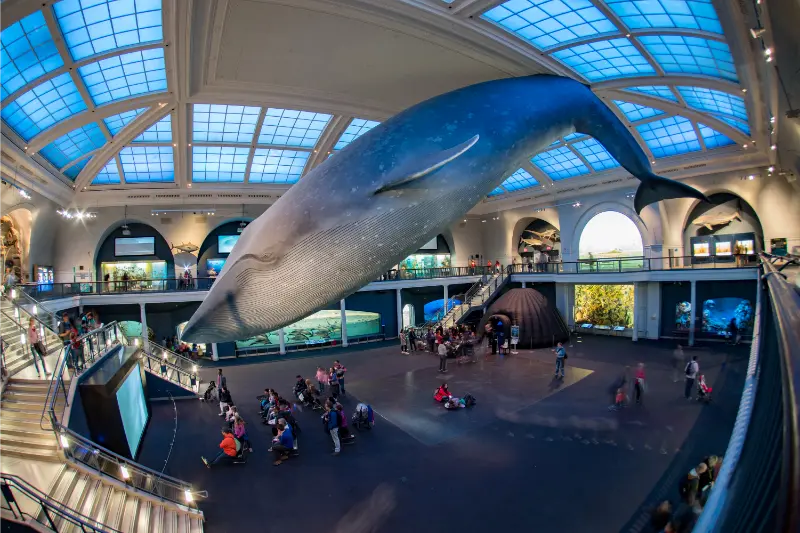
Easy connections to other Brooklyn sights
Brooklyn Museum, Brooklyn Botanic Garden and Prospect Heights are close enough that you can build a full day without crossing the borough. This geographical efficiency is one reason Park Slope is so useful in a broader Brooklyn itinerary.
A practical half-day walking route
For a first visit, this route keeps the day geographically sensible and leaves room for food, photographs and small detours:
- Start at Grand Army Plaza and look at the arch before entering Prospect Park.
- Walk a manageable loop through the park rather than attempting every path.
- Exit toward Seventh Avenue and follow residential side streets south.
- Cut across to Fifth Avenue for lunch, shopping or coffee.
- Finish around Washington Park and the Old Stone House or continue toward Gowanus for a more urban contrast.
Do not treat the route as a race. New York blocks can look short on a map while traffic lights, subway stairs, queues and spontaneous stops add time. If one place captures your attention, stay longer and drop the least important stop. A neighborhood day is successful when it feels coherent, not when every saved pin is checked off.
How long do you need?
Three to five hours is a realistic first visit for most travelers, depending on whether you include a museum, long meal or park. If your plan contains a paid attraction, allow its real visit time plus at least thirty minutes of buffer. If you are mostly walking, two or three focused hours can still give you a strong sense of Park Slope Brooklyn.
One of the easiest mistakes in New York is pairing neighborhoods because they look close on a schematic subway map rather than because they connect well on the ground. Before adding a second area, check the actual door-to-door travel time and decide whether the transfer improves the day.
Where to eat
Fifth and Seventh Avenues provide the simplest eating strategy, with enough variety that you do not need to travel for a famous reservation. Park Slope is strong for bakeries, casual restaurants, family-friendly dining and neighborhood bars. If you are visiting on a weekend, popular brunch periods can be busy; eating earlier or later often produces a calmer experience and leaves more time for the park.
For visitors who want a broader strategy, our where to eat in New York guide explains how to think about neighborhoods, iconic foods, reservations and avoiding tourist traps. In neighborhood-focused days, the best meal is often the one that does not force you to leave the area and come back.
Best time to visit
Spring foliage and fall color are particularly attractive on brownstone streets and in Prospect Park. Summer works well for an evening walk, while winter can be peaceful after snow. Weekend mornings feel very local but also busier around brunch and the Greenmarket. Weekdays are better if photography and quiet streets are your priorities.
Light also matters. Residential streets and waterfronts usually photograph better in the morning or late afternoon than under harsh midday sun. If your itinerary is flexible, use weather and sunset time to decide which day should be outdoors and keep museums as a backup for rain.
How to get there and get around
The neighborhood is served by several subway lines depending on the section, including the 2/3 near Grand Army Plaza and the F/G farther west. Because Park Slope is long from north to south, choose the station based on your intended route rather than simply searching “Park Slope” in a map app.
Once you arrive, walking is usually the best way to understand the neighborhood. Use the subway for the long jump from your hotel, then avoid repeatedly descending underground for one- or two-stop trips that are more enjoyable on foot. Our New York transportation guide explains subway, bus, ferry and OMNY basics.
Should you stay here?
Park Slope is appealing for travelers who want a residential base, Prospect Park access and evenings away from Midtown crowds. The main limitation is hotel supply; there are fewer obvious accommodation choices than in Manhattan or Downtown Brooklyn. It can work very well for apartment-style stays or repeat visitors who are comfortable with longer subway rides to some Manhattan sights.
When comparing hotels, look at the exact walking route to the nearest useful subway station, not only the neighborhood name. Two hotels in the same district can create very different daily travel times. Our where to stay in New York guide provides a broader neighborhood comparison.
Who will enjoy this neighborhood most?
Park Slope Brooklyn is a particularly good choice for travelers who enjoy walking, urban photography, food and the small details that reveal how New Yorkers use their city. It also suits repeat visitors who have already covered the major Midtown and Lower Manhattan landmarks and want a more local day. Travelers with only one or two days in New York should first decide whether the neighborhood supports their main priorities; a short trip has less room for detours.
Common mistakes to avoid
- Walking only Fifth Avenue and missing the residential side streets.
- Trying to see all of Prospect Park in the same visit as multiple museums.
- Assuming every part of Park Slope is equally close to the same subway line.
- Scheduling a rushed meal when the neighborhood is best enjoyed slowly.
- Using the area only as a pass-through to Prospect Park.
Useful connections with other Dreaming New York guides
These articles make it easier to continue planning without repeating the same parts of the city:
- Brooklyn travel guide
- Prospect Park guide
- Brooklyn Museum guide
- Brooklyn Botanic Garden guide
- New York with kids
Practical tips before you go
Wear shoes you can comfortably use for several miles, even if your map suggests a short day. Carry a small power bank because maps, transit directions and photography consume battery quickly. Keep a contactless payment method accessible for transit, and avoid standing at the top or bottom of subway stairs while checking directions.
If you are visiting a museum, cultural space or seasonal venue, check its official page the evening before. Opening days, timed-entry rules and temporary closures can change. Restaurants and small shops change even faster, so treat older social-media lists as inspiration rather than guarantees.
For current destination information, see the NYC Tourism Park Slope guide. Official and local sources are especially useful for temporary events, construction and seasonal access that a static travel article cannot predict.
Is it worth adding to a first New York trip?
Yes, if the neighborhood matches the kind of New York you want to experience. Park Slope Brooklyn adds texture that the famous observation decks and Midtown landmarks cannot provide. The key is not to sacrifice a personal must-see simply because a neighborhood is fashionable. Add it when it creates a better day geographically or gives you a type of experience—food, architecture, parks, art or local street life—that is otherwise missing from your itinerary.
For many travelers, the most memorable New York moments happen between scheduled attractions: turning onto a beautiful residential block, finding a small bakery, seeing the skyline from an unexpected angle or sitting in a park long enough to watch the neighborhood change around you. Build enough empty space into the plan for those moments to happen.