

Italian food in New York is not one cuisine. The city has old-school Italian American red-sauce restaurants, regional pasta cooking, modern downtown dining rooms and pizzerias whose menus overlap with broader Italian traditions. For visitors, the most useful question is not ‘which Italian restaurant is number one?’ but what kind of Italian meal fits the night you want.
New York rewards travelers who treat food as part of the route rather than a separate attraction. The smartest choice is rarely the restaurant with the longest social-media line; it is the place that fits your neighborhood, your appetite and the amount of time you actually have. This guide focuses on places that are useful to visitors, but it also explains how to make the category work across a real New York itinerary.
Addresses and opening status can change, so check the venue directly shortly before you go. We deliberately avoid hard-coding menu prices because New York restaurant prices move much faster than a travel article should.
Quick picks
| Place | Area | Best for |
|---|---|---|
| Via Carota | West Village | Vegetable-driven, rustic Italian cooking |
| L’Artusi | West Village | Polished pasta and a date-night feel |
| Don Angie | Greenwich Village | A high-demand modern Italian-American dinner |
| Emilio’s Ballato | NoHo / East Houston | Old-school Italian-American atmosphere |
| Rubirosa | Nolita | Italian-American food with excellent pizza |
How to use this guide
Decide whether you want Italian, Italian-American or a pizza-focused meal. New York history has transformed regional Italian traditions into its own food culture, so a red-sauce institution and a modern pasta restaurant should not be judged as if they are trying to do the same thing.
For romance and a neighborhood evening, the West Village is a natural choice. For old-school atmosphere, look around East Houston and classic Manhattan institutions. For a mixed group, choose a menu that includes pasta, vegetables, meat and pizza rather than forcing everyone into a tasting format.
1. Via Carota
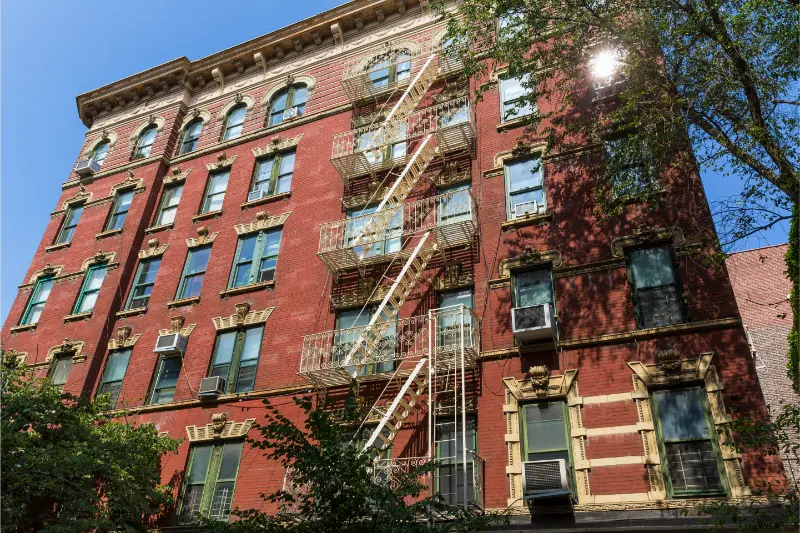
Address: 51 Grove Street, New York, NY 10014. Via Carota is a West Village destination known for a rustic, ingredient-focused approach that feels at home in the neighborhood’s intimate streets. It is a strong choice when you want the meal to feel distinctly downtown without relying on theatrical decor.
The setting is ideal for an evening walk through the West Village and Greenwich Village. Even if the restaurant is the anchor, the neighborhood should be part of the plan.
Practical tip: Demand can be intense. Check the current reservation and walk-in approach, and keep a nearby backup if you do not want dinner uncertainty to dominate the evening.
2. L’Artusi
Address: 228 West 10th Street, New York, NY 10014. L’Artusi combines modern Italian cooking with a polished West Village dining room. It is a good fit for couples or travelers who want one elevated dinner without moving into the formality of classic fine dining.

Its position makes it easy to pair dinner with Hudson River Park, Christopher Street and the Village. That matters because the most successful New York dinners often begin or end with a walk.
Practical tip: Reserve if this is a priority. If your itinerary is still changing, choose a reservation time that leaves room for sightseeing rather than forcing you to cut a museum or sunset short.
3. Don Angie
Address: 103 Greenwich Avenue, New York, NY 10014. Don Angie is one of the city’s most in-demand Italian-American restaurants, blending familiar references with a contemporary downtown style. Its popularity is part of the reality: a table can require planning.
Choose it only if the restaurant itself is a genuine priority. It is not worth reorganizing an entire first New York trip around a reservation simply because a table is difficult to obtain.
Practical tip: Avoid buying into unofficial reservation hype or questionable third-party offers. Use the restaurant’s legitimate booking channels and have a backup plan.
4. Emilio’s Ballato
Address: 55 East Houston Street, New York, NY 10012. Emilio’s Ballato represents a more old-school New York Italian-American mood, with a reputation built around classic dishes and a dining room that feels very different from a minimalist modern restaurant.
Its East Houston location works with NoHo, Nolita, SoHo and the East Village. It is the choice on this list for travelers who want history and atmosphere as much as culinary novelty.
Practical tip: Expect the experience to follow the restaurant’s own rhythm rather than a fast pre-theater schedule. If you have a timed event, choose something more predictable.
5. Rubirosa
Address: 235 Mulberry Street, New York, NY 10012. Rubirosa is a Nolita restaurant where pizza, pasta and Italian-American comfort food overlap. It is a practical choice for groups because the menu allows different appetites to meet at one table.
The Mulberry Street address makes it easy to combine with Nolita, SoHo, Little Italy and Chinatown. It is more useful to a traveler than a restaurant requiring a special cross-town journey.
Practical tip: If you also plan a dedicated pizza crawl, use Rubirosa for pasta or a shared meal so you do not repeat the same food category every day.
How to build it into a sightseeing day
Plan a Village dinner after Washington Square Park or Hudson River sunset; use Nolita and SoHo restaurants after a downtown shopping day; pair East Houston with the East Village or Lower East Side. Do not reserve dinner in Midtown only because your hotel is there if the evening you want is clearly downtown—and do not reserve downtown if you have an 8 p.m. Broadway curtain.
Ordering, timing and local etiquette
Popular Italian restaurants may enforce reservation times carefully. Arrive on time, tell the restaurant about major allergies and do not assume every table will accommodate extensive menu modifications. Sharing pasta, starters or pizza can be a good way to experience more, but ask for the meal to be paced if you do not want everything to arrive at once.
Budget and value
Italian dining can range from casual pizza to expensive destination restaurants. Decide where the splurge belongs. A pasta dinner with wine, tax and tip can cost far more than the menu’s entrée price suggests, so compare the whole evening. If budget matters, make lunch casual and keep the special Italian dinner as the day’s main spend.
Dietary needs and accessibility
Italian menus can work well for vegetarians, but cheese, stocks and sauces may contain ingredients that are not obvious. Gluten-free pasta or pizza may be available at some restaurants, but cross-contact varies. Contact the restaurant if a restriction is medical.
Common mistakes to avoid
- Assuming Little Italy is the only place to seek Italian food in New York.
- Chasing an impossible reservation because social media says you must.
- Booking a long downtown dinner before a Broadway show in Midtown.
- Treating Italian and Italian-American food as exactly the same tradition.
- Ignoring the neighborhood walk that can make the dinner more memorable.
Useful Dreaming New York guides
How to keep a food stop from taking over the day
New York makes it easy to underestimate transition time. A restaurant may be only twenty minutes away on a map, yet reaching it can involve walking to the subway, waiting for a train, climbing stairs and then finding the correct entrance. If a food stop is not a destination meal, keep it inside the same neighborhood as the attractions around it. Save destination restaurants for evenings when you can enjoy the journey and the area around them.
It also helps to keep two backup options near every major sightseeing zone. Restaurants can close for private events, change hours, develop an unexpected queue or simply feel wrong when you arrive. A backup is not a compromise; it is one of the easiest ways to keep a New York itinerary resilient. Save alternatives on your map before the trip rather than searching while everyone is already hungry.
Tax, tips and the number on the menu
Menu prices are not always the final amount you will pay. New York City sales tax applies to restaurant meals, and table-service dining normally involves a gratuity as well. Some restaurants add service charges or have special policies for larger groups, so read the check rather than automatically adding a second gratuity. Our New York tipping guide explains the practical details.
For travelers comparing costs before the trip, use menu prices as a starting point rather than a guaranteed budget. Food inflation, seasonal menus and special-event periods can change the total. The most stable approach is to decide which meals deserve a splurge and keep the rest flexible with bagels, pizza, food halls and counter-service restaurants.
Frequently asked questions
Is Little Italy the best area for Italian restaurants?
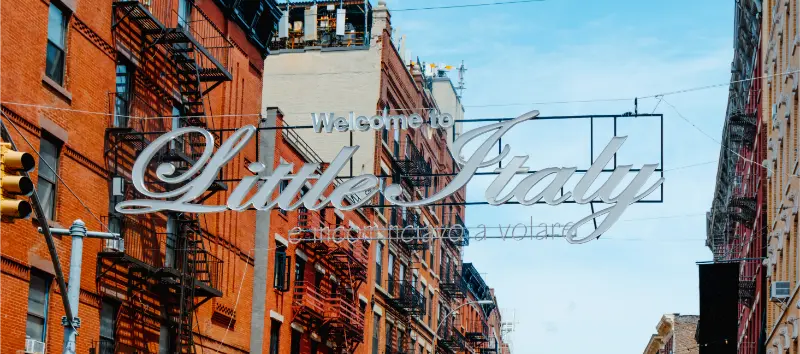
It is historically important and fun to visit, but many of the city’s strongest Italian restaurants are in the West Village, Nolita, SoHo and other neighborhoods.
Which area is best for a romantic Italian dinner?
The West Village is hard to beat because the streets, bars and waterfront can extend the evening before or after dinner.
Do I need reservations?
For the most sought-after restaurants, yes. For casual Italian and pizza, you often have more flexibility.
Can I find good gluten-free Italian food?
Some restaurants offer gluten-free pasta or pizza, but travelers with celiac disease should ask about preparation and cross-contact.
Should I eat Italian food more than once on a short trip?
Only if you love it. New York’s strength is diversity, so leave room for Chinese, Jewish, Caribbean, Latin American and other cuisines too.
Final recommendation
Choose the Italian meal by mood: rustic West Village, old-school Italian-American or a flexible Nolita dinner. One well-chosen restaurant, in the right neighborhood and at the right time, will usually add more to the trip than chasing several impossible reservations.