

Battery Park City is one of Lower Manhattan’s most pleasant places to slow down after the intensity of the Financial District and 9/11 Memorial area. Built on landfill along the Hudson River, the neighborhood is defined by waterfront paths, landscaped parks, residential towers and public spaces rather than old street grids. The result feels unusually open for Manhattan.
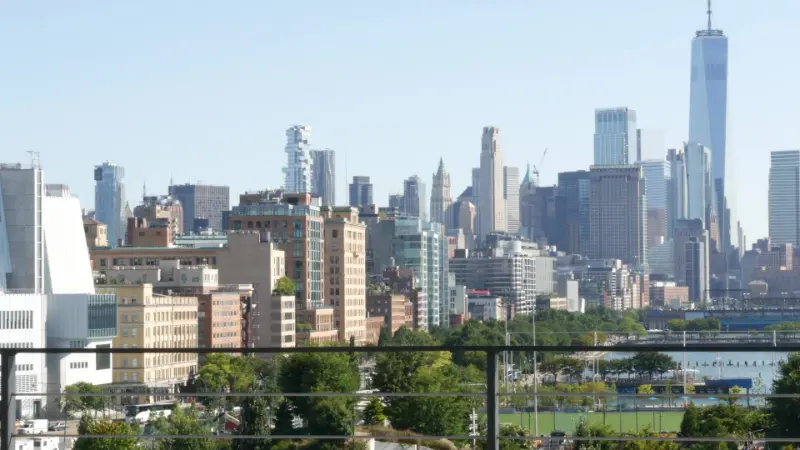
It is important not to confuse Battery Park City with The Battery at Manhattan’s southern tip. They connect, but Battery Park City extends north along the Hudson beside the World Trade Center area. In 2026, major resiliency construction affects parts of the waterfront and pedestrian routes, so a flexible plan and current BPCA information are especially important.
A useful way to think about this neighborhood is to plan around one or two anchors, then let the streets between them do the rest of the work. If this is your first trip, our New York travel guide for first-time visitors helps you place the neighborhood within a larger itinerary.
Why visit Battery Park City?
It is important not to confuse Battery Park City with The Battery at Manhattan’s southern tip. They connect, but Battery Park City extends north along the Hudson beside the World Trade Center area. In 2026, major resiliency construction affects parts of the waterfront and pedestrian routes, so a flexible plan and current BPCA information are especially important. The area is most rewarding when you approach it for its own character rather than as a place to race through between famous Manhattan landmarks.
Best things to see and do
Hudson River Esplanade
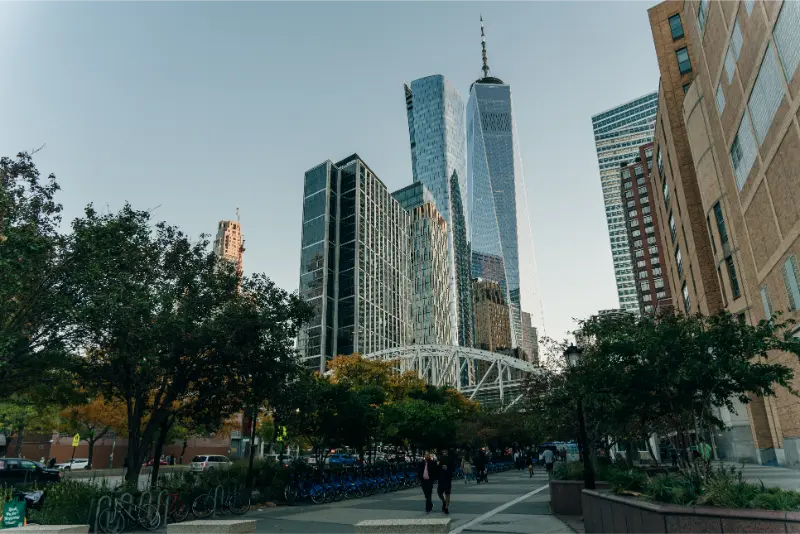
The waterfront promenade is the neighborhood’s signature experience, with views toward New Jersey, ferries and the lower Hudson. Construction can interrupt continuity in 2026, so think of the esplanade as a series of accessible sections rather than assuming one uninterrupted walk.
Rockefeller Park
This large neighborhood park offers lawns, playgrounds, seating and river views. Families often find it more relaxed than the heavily visited southern tip of Manhattan, and it can be a useful break after the 9/11 Museum.
Irish Hunger Memorial
This unusual landscape memorial combines stone, vegetation, text and elevated views to commemorate the Great Irish Famine and broader themes of hunger. It is compact but conceptually rich, and the landscape design makes it feel different from conventional statues.
Brookfield Place and the Winter Garden
Brookfield Place provides restaurants, shops, indoor seating and the glass-roofed Winter Garden. It is especially useful in bad weather and creates a direct transition between Battery Park City and the World Trade Center complex.
North Cove Marina
The marina introduces boats and open water into the dense Lower Manhattan skyline. Even without a tour or cruise, the public paths around the area provide good photo angles and a sense of the Hudson as a working waterway.
Teardrop Park
This small landscaped park is tucked between residential buildings and designed with rocks, plantings and play areas. It is especially interesting for families and travelers who enjoy urban landscape design rather than famous landmarks.
Public art and memorial landscape
Sculptures and memorial elements are distributed through the neighborhood rather than concentrated in one museum. Keep an eye out while walking instead of navigating directly from pin to pin.
Sunset over the Hudson
Western exposure makes Battery Park City one of Lower Manhattan’s easiest sunset walks. The best view may shift during construction, so use whatever waterfront section is currently open rather than insisting on one exact photo spot.
A practical half-day walking route
This route keeps the day geographically sensible and leaves room for food, photographs and small detours:
- Begin around the World Trade Center and walk through Brookfield Place toward the Hudson.
- Visit the Irish Hunger Memorial and check current BPCA wayfinding for open waterfront routes.
- Continue north toward Rockefeller Park and Teardrop Park if the path is accessible.
- Pause on an open esplanade section for Hudson views and sunset if timing works.
- Return by walking south toward Lower Manhattan or use a nearby subway station rather than forcing a closed construction segment.
Do not treat the route as a race. New York blocks can look short on a map while traffic lights, subway stairs, queues and spontaneous stops add time. If one place captures your attention, stay longer and drop the least important stop. A neighborhood day is successful when it feels coherent, not when every saved pin is checked off.
How long do you need?
Three to five hours is a realistic first visit for most travelers, depending on whether you include a museum, long meal or park. If your plan contains a paid attraction, allow its real visit time plus at least thirty minutes of buffer. If you are mostly walking, two or three focused hours can still give you a strong sense of Battery Park City.
One of the easiest mistakes in New York is pairing neighborhoods because they look close on a schematic subway map rather than because they connect well on the ground. Before adding a second area, check the actual door-to-door travel time and decide whether the transfer improves the day.
Where to eat
Brookfield Place offers the easiest concentration of food, from quick options to sit-down restaurants, while Tribeca and the Financial District expand the choices nearby. A picnic can be excellent when parks are open and weather is comfortable, but construction zones may reduce convenient seating in specific sections, so check current conditions before carrying a full meal far along the waterfront.
For a broader strategy, our where to eat in New York guide explains neighborhoods, iconic foods, reservations and tourist traps. On a neighborhood-focused day, the best meal is often the one that does not force you to leave the area and come back.
Best time to visit
Late afternoon and sunset are particularly attractive. Spring and fall offer the best walking weather, while summer evenings bring breezes off the Hudson. Winter can be beautiful but exposed. In 2026, construction logistics matter as much as weather, so check BPCA notices shortly before visiting.
Light also matters. Residential streets and waterfronts usually photograph better in the morning or late afternoon than under harsh midday sun. If your itinerary is flexible, use weather and sunset time to decide which day should be outdoors and keep museums as a backup for rain.
How to get there and get around
Battery Park City sits west of several Lower Manhattan subway stations rather than directly on top of one line. Depending on your route, the E at World Trade Center, 1 at WTC Cortlandt or Rector Street, and other Financial District stations can be useful. Walking from the 9/11 Memorial is often the simplest approach.
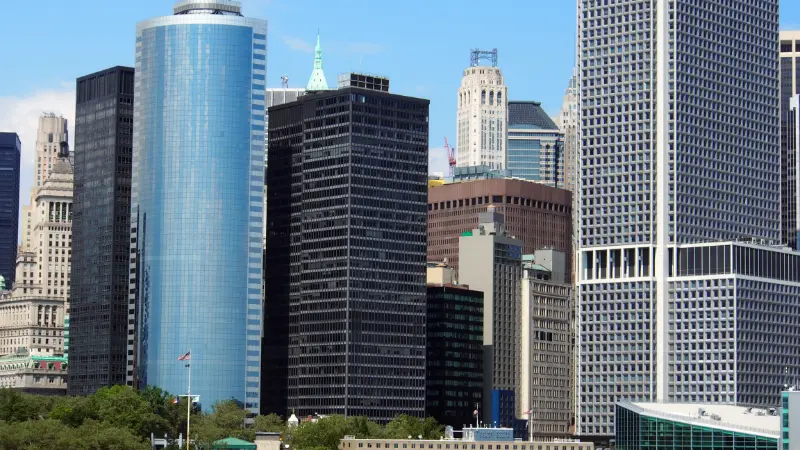
Once you arrive, walking is usually the best way to understand the area. Use transit for the long jump from your hotel, then avoid repeatedly descending underground for one- or two-stop trips that are more enjoyable on foot. Our New York transportation guide explains subway, bus, ferry and OMNY basics.
Should you stay here?
Battery Park City is a strong hotel area for travelers who value quiet evenings, waterfront walking and Lower Manhattan access. The trade-off is distance from many Midtown attractions and a more residential atmosphere after work hours. In 2026, check whether nearby construction affects the exact hotel approach or river view you are paying for.
When comparing hotels, look at the exact walking route to the nearest useful subway station, not only the neighborhood name. Two hotels in the same district can create very different daily travel times. Our where to stay in New York guide provides a broader comparison.
Who will enjoy this neighborhood most?
Battery Park City is a strong choice for travelers who enjoy walking, food, architecture and the smaller details that show how New Yorkers use their city. It also suits repeat visitors who have already covered Midtown and Lower Manhattan icons. Travelers with only one or two days should first decide whether this area supports their main priorities; a short trip has less room for detours.
Respectful neighborhood travel
Many of the places described in this guide are residential streets rather than formal attractions. Keep stoops, driveways, shop entrances and narrow sidewalks clear. Ask before photographing people at close range, and do not assume a religious building, community center, marina or private garden is open simply because the door or gate is visible. Spending money with local businesses is more useful than treating the neighborhood as a free photo backdrop.
New York neighborhoods also change quickly. A restaurant that dominated social media two years ago may have moved or closed, while a new family business may be more interesting than anything in an old “best of” list. Use current opening information for any place that is essential, then leave room for discovery.
Common mistakes to avoid
- Confusing Battery Park City with The Battery.
- Assuming the waterfront esplanade is fully continuous during 2026 resiliency work.
- Walking north without checking whether construction will force a long detour.
- Skipping Brookfield Place in bad weather.
- Planning a sunset photo around one exact location when access may change.
Useful Dreaming New York guides
Practical tips before you go
Wear shoes you can comfortably use for several miles, even if your map suggests a short day. Carry a small power bank because maps, transit directions and photography consume battery quickly. Keep a contactless payment method accessible for transit, and move away from subway stairs or busy doorways before stopping to check directions.
If you are visiting a museum, cultural space, market or seasonal venue, check its official page the evening before. Opening days, timed-entry rules, construction and temporary closures can change. Restaurants and small shops change even faster, so treat older social-media lists as inspiration rather than guarantees.
For current destination information, see the Battery Park City Authority. Official and local sources should take priority for temporary events, construction and access conditions that a static travel article cannot predict.
Is it worth adding to a first New York trip?
Yes, if Battery Park City gives you something your main itinerary is missing: a neighborhood meal, residential architecture, waterfront space, local history or a different borough perspective. Do not add it only because it appears on a long list. A first New York trip is usually better when each half-day has a clear purpose and nearby stops support one another.
For many travelers, the most memorable moments happen between scheduled attractions: turning onto a beautiful residential block, finding a bakery, seeing the skyline from an unexpected angle or sitting in a park long enough to watch the neighborhood change around you. Build enough empty space into the plan for those moments to happen.