

Fall in New York City is one of the easiest seasons to love. Summer humidity fades, walking becomes more comfortable, parks change color, cultural calendars are busy and the city gradually moves from outdoor autumn into Halloween, Thanksgiving and the first signs of the holiday season. The difficulty is timing: September, October and November feel like three different trips.
If your priority is foliage, a late-September visit can be too early. If you want mild evenings, late November can feel much more like winter. This guide explains what changes across the season, where to see color, what to pack and how to use shorter daylight without making the itinerary feel rushed.
Is fall a good time to visit New York?
Yes. October in particular is one of the strongest all-around months for first-time visitors because temperatures are usually comfortable for long walks and major attractions operate normally. September can still feel summery, while November brings cooler weather and a stronger holiday atmosphere.
For a full-year comparison, see our best time to visit New York guide.
September: late summer with an autumn label
Early September is often warm and can still be humid. Trees remain mostly green, outdoor dining and waterfront activities are comfortable, and the city retains much of its summer rhythm. By the end of the month, mornings and evenings usually feel cooler.
Pack as though you are visiting during a transition. Lightweight clothing, a layer for evenings and comfortable shoes are more useful than heavy fall coats unless a specific cold front is forecast.
October: classic walking weather
October is the month many travelers picture when they imagine New York in fall. Cooler air makes long neighborhood days easier, pumpkins and Halloween decorations appear, and foliage begins building across parks.
Peak color in the city often arrives later than visitors expect because the urban climate stays relatively mild. Rather than chasing one predicted date months in advance, watch current park and garden updates close to your trip.
November: foliage, Thanksgiving and early holiday season
Early November can still bring strong foliage, while later in the month colder conditions and bare branches become more common. Thanksgiving changes the city’s rhythm, and holiday decorations expand rapidly after the parade.
Daylight is much shorter after the clocks change, so move parks, bridges and photography earlier in the day. Save museums, Broadway and illuminated Midtown streets for late afternoon and evening.
Where to see fall foliage
Central Park is the obvious choice because it combines large numbers of mature trees with water, bridges and skyline views. The Ramble, Reservoir, North Woods and Lake area can all be beautiful, but color does not peak uniformly across the park.
Prospect Park often feels more woodland-focused and can be excellent around the Ravine, Lullwater and Long Meadow edges. Fort Tryon Park is another strong choice if you are visiting The Met Cloisters.
Brooklyn Botanic Garden in fall
The Brooklyn Botanic Garden highlights autumn color across Japanese maples and other collections. It is more curated than Prospect Park and easier to photograph in a focused visit, but admission and seasonal hours apply.
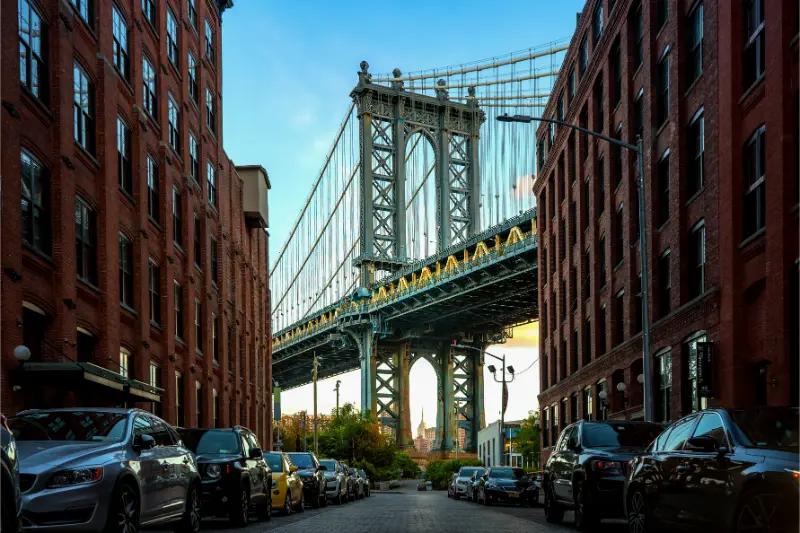
A good central Brooklyn fall day combines the Garden or Brooklyn Museum with Prospect Park. Avoid trying to add DUMBO and Williamsburg to the same day unless you enjoy spending a large portion of the afternoon on transit.
Halloween in New York
October brings neighborhood decorations, costume events, haunted attractions and the Greenwich Village Halloween Parade. Event details, routes and entry rules can change annually, so confirm current information once your dates are fixed.
Even without a ticketed event, walking through the West Village and brownstone neighborhoods can be fun around Halloween. Be respectful around private homes—decorations are not an invitation to block stoops or enter property for photographs.
Thanksgiving period
Thanksgiving week is exciting but logistically different from a normal November visit. The Macy’s Thanksgiving Day Parade brings large crowds and street closures, and popular restaurants may require special reservations.
If the parade is your priority, research viewing logistics specifically for the current year. If it is not, use Thanksgiving morning for a quieter neighborhood away from the route and avoid crossing Midtown unnecessarily.
Fall on the High Line and waterfront
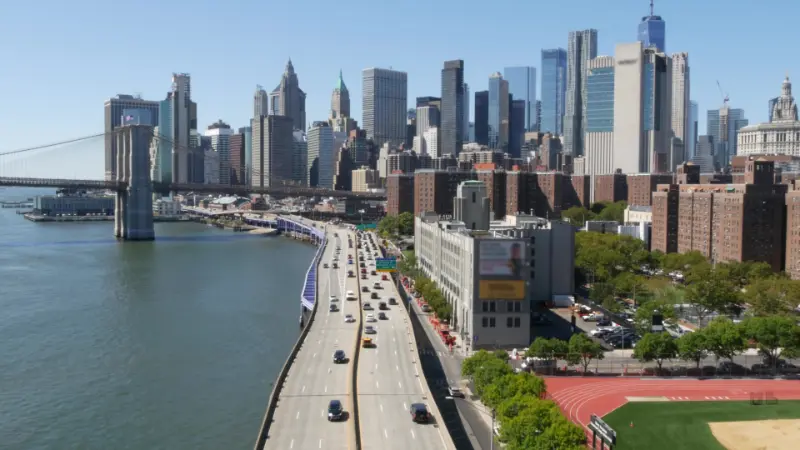
The High Line’s plantings take on seed heads, grasses and autumn tones that suit the industrial landscape. Cooler weather also makes the full West Side walk more comfortable than midsummer.

Combine it with the Whitney, Chelsea or Little Island. Sunset comes earlier as the season progresses, so check the day’s time before planning a late-afternoon museum followed by outdoor golden hour.
Best fall neighborhoods
Greenwich Village and West Village are excellent because tree-lined streets, brownstones and stoops create a more intimate fall atmosphere than the skyscraper districts. Brooklyn Heights, Park Slope and parts of the Upper West Side work for the same reason.
Use our Greenwich Village guide or DUMBO and Brooklyn Heights guide to build a walking route instead of zigzagging between isolated photo spots.
What to wear
September may require summer clothes; November may require a real coat. Layers remain the safest strategy. Bring a light jacket, sweater or fleece, comfortable closed shoes and something rain-resistant. By late November, gloves can be useful on cold observation decks or ferry rides.
See our packing list for New York for a fuller seasonal checklist.
Rain and windy days
Autumn can include wet fronts and strong wind. Observation decks are especially sensitive because conditions at street level do not represent conditions 1,000 feet above the city. Keep at least one indoor attraction flexible rather than buying timed tickets for every hour of the trip.
Fall photography tips
For foliage, late morning can bring better light into wooded park areas than sunrise. After rain, wet paths and leaves intensify color but can also be slippery. In neighborhoods, look for combinations of trees, brick facades and fire escapes rather than photographing only individual trees.
Golden hour comes earlier each week, so sunset photography should be treated as an appointment. Check the exact sunset time for your date and arrive well before it if you are using a bridge or observation deck.
Budget advantages
Fall is excellent for free sightseeing because the parks themselves are major attractions. A Central Park morning, Brooklyn neighborhood walk or waterfront sunset can fill half a day without admission fees.
Hotel prices, however, can remain high in October and around Thanksgiving. Book accommodation based on cancellation flexibility if your dates fall around major events.
Common mistakes
- Assuming September automatically means fall foliage.
- Planning park photography for late afternoon after sunset has already moved earlier.
- Packing one heavy coat instead of flexible layers.
- Crossing Midtown during Thanksgiving parade closures without checking routes.
- Trying to see foliage in five parks instead of enjoying one park properly.
Is fall the best season for New York?
For many travelers, yes. The combination of comfortable walking, cultural energy and seasonal color is hard to beat. October is particularly versatile, while November works well for travelers who want autumn and the beginning of holiday atmosphere in the same trip.
Do not obsess over predicting one perfect foliage day. Choose a good neighborhood, visit a major park, keep the weather-sensitive parts flexible and let the season develop around you. New York in fall is at its best when the city itself—not a checklist of leaves—remains the main attraction.
A simple planning rule
Before you lock this stop into the day, decide what role New York in Fall plays in your itinerary. If it is a priority, give it the best available time and protect that block from unnecessary cross-town travel. If it is optional, keep it flexible and move it according to weather, energy and nearby reservations.
New York days work best when each half-day stays geographically coherent. Group attractions that can be reached on foot, leave realistic meal and security time between timed entries, and avoid treating the subway as instantaneous. A route that looks efficient on a map can still become exhausting when every stop requires another line, staircase or crowded transfer.
Finally, check the official site the evening before visiting. Hours, entrances, temporary closures, exhibitions and weather-related access can change. That two-minute check is more useful than relying on an old screenshot or a travel post that may have been accurate when it was published.
How to fit it into a New York itinerary
The easiest way to make New York in Fall work is to pair it with places in the same part of the city. Avoid crossing Manhattan or changing boroughs only to fill a spare hour. New York rewards compact days: one major anchor, one nearby neighborhood and one flexible stop usually feel better than four reservations scattered across the map.
If you are traveling for the first time, protect the morning for the place you care about most and keep the afternoon looser. Security lines, subway delays, weather and meal stops can all move a schedule by twenty or thirty minutes. Building that margin into the day makes it much easier to enjoy the visit rather than watching the clock.
For repeat visitors, use this stop as a reason to explore the surrounding streets rather than treating it as an isolated destination. A museum, park or landmark becomes more memorable when it is connected to a neighborhood meal, a local walk or a waterfront view. That is also the simplest way to discover a version of New York that feels less like a checklist.
Before leaving the hotel, check service changes on the subway, confirm the attraction or venue is operating normally, and save the address offline. Mobile coverage is generally good, but underground stations and crowded areas are exactly where having the basic route already saved can reduce unnecessary stress.