

Shopping in New York can be anything from a luxury afternoon on Fifth Avenue to vintage hunting in Brooklyn, a department-store stop in Midtown, sneakers in SoHo or gifts from a neighborhood bookstore. The city has too many shopping districts to treat them as one experience, so the smartest approach is to match the area to what you actually want to buy.
This New York shopping guide explains the best neighborhoods for fashion, luxury, outlets, vintage, souvenirs and design, plus practical information about sales tax, store hours, luggage and how to avoid wasting valuable sightseeing time.
Is New York still good for shopping?
Yes, but the strongest advantage is choice rather than guaranteed bargains. Exchange rates, online pricing and international brands mean that not everything is cheaper in New York. What the city does offer is an enormous concentration of flagship stores, specialist retailers, limited collections, vintage shops and neighborhood boutiques.
Before buying an expensive item, compare the final price after tax with the price at home. For clothing and footwear, New York City’s tax rules can make lower-priced items especially attractive.
New York sales tax: what tourists should know
New York City’s combined sales tax on many taxable purchases is 8.875%. One important exception applies to eligible clothing and footwear costing less than $110 per item or pair: these purchases are exempt from New York City and New York State sales tax. Items at $110 or more are generally subject to the full rate.
Rules depend on the type of product, not simply the store. Electronics, cosmetics and many other goods remain taxable. For current rules, check NYC311 sales-tax information before making a large purchase.
1. Fifth Avenue for flagship stores and luxury
Fifth Avenue in Midtown is New York’s classic luxury-shopping corridor. The stretch around 49th to 60th Streets combines major fashion houses, jewelers, beauty brands and some of the city’s most elaborate flagship stores.
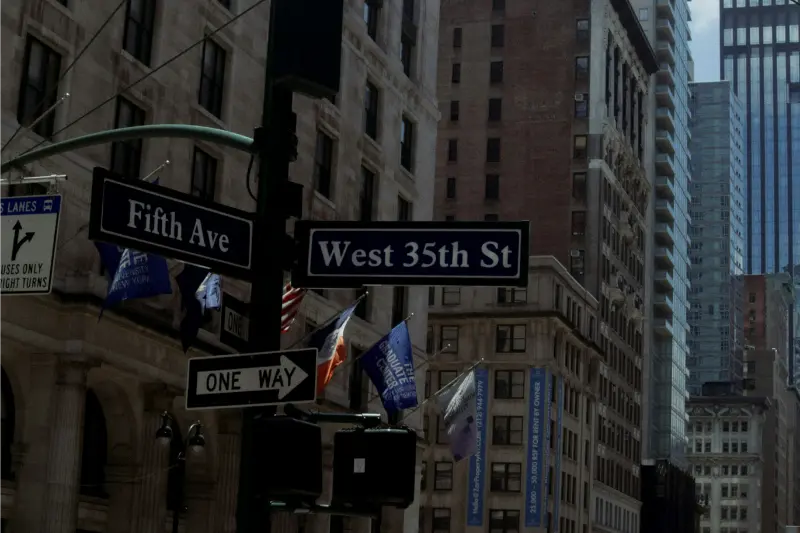
Even if you do not plan to buy anything, Fifth Avenue is worth walking for window displays, architecture and its connection with Rockefeller Center, St. Patrick’s Cathedral and Central Park. In December, holiday windows make the area especially popular and crowded.
2. SoHo for fashion, sneakers and design
SoHo is one of the easiest districts for concentrated shopping. Broadway contains major brands, while Mercer, Greene, Wooster and surrounding streets offer fashion, design and premium boutiques.
Go on a weekday morning if shopping is serious. Weekend afternoons can be so crowded that browsing becomes slow. Our SoHo guide shows how to combine stores with cast-iron architecture so the visit still works for non-shoppers.
3. Macy’s Herald Square
Macy’s Herald Square at 151 West 34th Street is a New York department-store institution and useful for visitors who want many brands under one roof. The building is enormous, so decide which departments matter before wandering every floor.
International visitor promotions and store offers can change. Ask current customer service rather than assuming an old discount program still applies.
4. Bloomingdale’s
Bloomingdale’s flagship at 59th Street and Lexington Avenue is another classic department-store experience. It pairs naturally with the Upper East Side, Roosevelt Island Tram area or a Central Park day.
Department stores are particularly useful in bad weather because they let you compare categories without moving between many buildings.
5. Nordstrom NYC
Nordstrom’s Manhattan flagship near Columbus Circle offers fashion, beauty and accessories in a modern setting close to Central Park. It can be a practical stop if your itinerary already includes the southwest corner of the park rather than a destination requiring a separate cross-city trip.
6. Chelsea and the Meatpacking District
Chelsea and the Meatpacking District combine design, fashion and lifestyle stores with the High Line and Chelsea Market. This is one of the best areas if only part of your group wants to shop because others can spend time on the High Line, in galleries or at the market.

7. Nolita and the Lower East Side for smaller boutiques
If you prefer independent shops and smaller storefronts, explore Nolita and the Lower East Side. The mix changes quickly: jewelry, fashion, streetwear, home goods and vintage stores come and go more often than major department stores.
That turnover is why static lists of “10 best boutiques” become outdated. Use current maps and neighborhood walking rather than traveling across the city for a store that may have moved.
8. Williamsburg for Brooklyn shopping
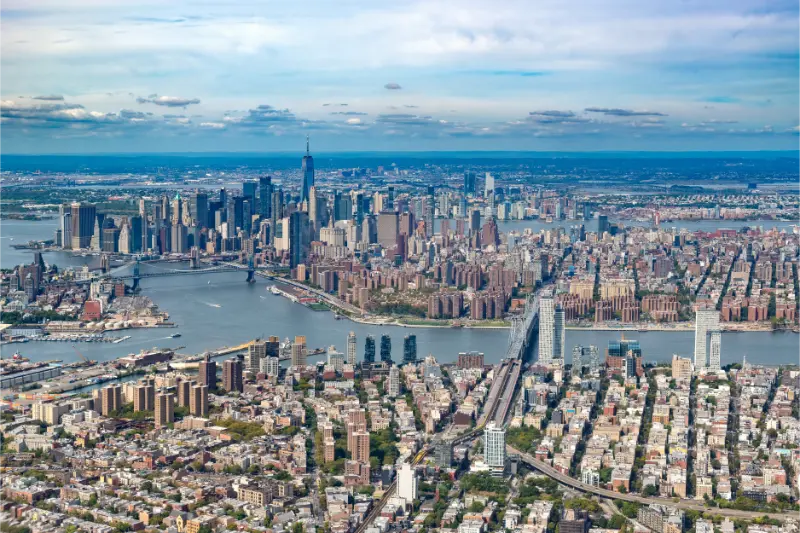
Williamsburg offers fashion boutiques, vintage, records, design stores and weekend-market energy. Bedford Avenue and surrounding streets are the most obvious starting point, but the neighborhood extends well beyond a single corridor.
Combine shopping with the East River waterfront and a meal rather than making a special trip for one store. Our Brooklyn guide helps plan the rest of the day.
9. Vintage shopping
New York is excellent for vintage, but prices vary enormously. Williamsburg, Bushwick, the East Village, Lower East Side and parts of Queens all have strong options. Some stores are curated and expensive; others require time and patience.
If vintage is a priority, reserve two or three hours in one neighborhood instead of jumping between distant shops. Inventory changes constantly, so recent reviews matter more than old “best of” lists.
10. Sneakers and streetwear
SoHo, the Lower East Side and parts of Brooklyn are strong areas for sneakers and streetwear. Flagship stores may carry releases or products that are difficult to find elsewhere, but resale pricing can be high.
For valuable purchases, use reputable retailers and ask about return policies. Avoid buying counterfeit goods from street sellers, even when the price seems attractive.
11. Books, museums and design stores
Some of New York’s best shopping is connected to culture. Museum stores at MoMA, the Met and other institutions can be excellent for design objects, books and gifts. Independent bookstores also provide souvenirs that feel more personal than generic Times Square merchandise.
Strand Book Store near Union Square is a famous example, while neighborhood bookstores across Brooklyn and Manhattan offer more local browsing.
12. Electronics
Electronics can be tempting, but compare warranty coverage, voltage, plugs and international pricing before buying. The listed shelf price usually does not include sales tax, so the final cost will be higher than the tag for taxable goods.
If you buy high-value electronics, use authorized retailers and keep receipts. Do not assume a product bought in the United States will receive identical warranty service in another country.
13. Souvenirs that do not feel generic
Instead of buying every souvenir in Times Square, look at museum shops, independent bookstores, local food stores and neighborhood markets. A print, book, tote bag, ceramic piece or locally designed object can feel more connected to your trip than a mass-produced skyline magnet.
That said, there is nothing wrong with a classic “I ♥ NY” item if it makes you happy. The goal is not to make souvenir shopping sophisticated; it is to buy something you will actually want later.
14. Holiday shopping
From late November through December, holiday markets add another shopping layer. Bryant Park’s Winter Village, Union Square Holiday Market and Columbus Circle Holiday Market are among the best-known. Dates vary each year.
For 2026, Bryant Park has announced Holiday Shops from October 28, 2026 through January 3, 2027. Check current calendars for other markets. Our Christmas in New York guide explains how to combine markets with holiday lights.
15. Outlet shopping: is it worth leaving the city?
Outlet centers can offer discounts, but they take time and transport. For a short first visit, losing most of a day to an outlet may not be worth the savings unless shopping is a major trip objective.
If you are considering an outlet, compare likely savings with transport cost and the value of a sightseeing day. Check whether the brands you want actually have outlet stores and whether current promotions apply.
Best shopping areas by interest
- Luxury: Fifth Avenue, Madison Avenue, SoHo.
- Big department stores: Herald Square, Midtown East, Columbus Circle.
- Fashion and sneakers: SoHo, Lower East Side.
- Independent boutiques: Nolita, West Village, Williamsburg.
- Vintage: Williamsburg, East Village, Lower East Side, Bushwick.
- Books and design: Union Square area, museum stores, neighborhood bookstores.
- Holiday gifts: Bryant Park, Union Square and seasonal markets.
How much time should you dedicate to shopping?
For a normal sightseeing trip, a half day is enough for purposeful shopping. Integrate it geographically: Fifth Avenue with Midtown, SoHo with Downtown, Williamsburg with Brooklyn. This prevents shopping from consuming an entire day unless that is what you want.
Shopping with luggage in mind
Leave room in your suitcase before departure. Soft bags can help with clothing, but airlines may charge heavily for overweight checked luggage. Keep valuable purchases, electronics and documents in your carry-on when permitted.
For luxury goods, understand customs allowances when returning home. Those rules depend on your country of residence, not New York.
Return policies
U.S. return policies vary by retailer. Sale items, cosmetics and final-sale products may have restrictions. International visitors should assume they may not be able to return after leaving the country, so inspect expensive purchases carefully and keep all receipts.
Common shopping mistakes
- Assuming every U.S. price is cheaper than at home.
- Forgetting that shelf prices often exclude sales tax.
- Traveling an hour for one store without checking current opening hours.
- Buying counterfeit goods from unauthorized street sellers.
- Spending a beautiful-weather day indoors when shopping could move to a rainy day.
- Using an entire first-trip day for outlets when New York itself is the reason for the trip.
- Overpacking before departure and having no suitcase space for purchases.
Frequently asked questions
Is clothing tax-free in New York?
Eligible clothing and footwear costing less than $110 per item or pair are exempt from New York City and New York State sales tax. Other products and higher-priced items may be taxable.
What is the best shopping neighborhood?
SoHo is the best all-round choice for many visitors. Fifth Avenue is stronger for luxury and flagships, while Williamsburg and Nolita are better for smaller boutiques.
Are New York outlets worth it?
They can be for dedicated shoppers, but transport time makes them less attractive on a short sightseeing trip.
Where should I shop for souvenirs?
Museum stores, bookstores and holiday markets are excellent for distinctive gifts; Times Square works for classic tourist souvenirs.
Final advice
The best shopping trip in New York is integrated into the city rather than separated from it. Shop Fifth Avenue while exploring Midtown, browse SoHo between architectural streets, visit Williamsburg after the Brooklyn waterfront and save department stores for bad weather. Buy fewer things that you actually love, understand the tax rules and leave enough time to enjoy the neighborhoods around the stores.