

Manhattan is the New York most travelers picture before they arrive: skyscrapers, Broadway marquees, brownstone streets, yellow taxis, Central Park, Fifth Avenue and the skyline seen from countless films. Yet the borough becomes much easier to enjoy once you stop treating it as one enormous attraction and start seeing it as a collection of neighborhoods with very different personalities.
This Manhattan travel guide is designed for first-time and repeat visitors who want to understand where the main sights are, which neighborhoods are worth their time, how to group places efficiently and where to slow down. Manhattan is long and narrow, and the subway makes distance manageable, but a well-planned day can save hours of unnecessary travel.
Manhattan at a glance
The simplest way to understand Manhattan is to divide it into Downtown, Midtown and Uptown. Downtown contains the oldest street pattern and many of the city’s historic neighborhoods. Midtown is the commercial heart of the island and home to a huge concentration of famous landmarks. Uptown becomes greener and more residential, with Central Park, major museums, Harlem and elegant residential districts.
For a first trip, you do not need to see every neighborhood. Choose a few areas that match your interests and connect them into logical walking routes. Our 5-day New York itinerary is a good framework if you want a ready-made plan.
Midtown Manhattan: the classic first impression
Midtown is where New York feels most immediately cinematic. Times Square, Rockefeller Center, the Empire State Building, Grand Central Terminal, Bryant Park, the New York Public Library, Fifth Avenue and the Theatre District are all here. It is also one of the easiest parts of the city for first-time visitors because the street grid is regular and subway connections are excellent.
Do not spend an entire day standing in Times Square simply because it is famous. Treat it as one stop within a Midtown route. A good sequence is Grand Central Terminal, Bryant Park, the public library, Fifth Avenue, Rockefeller Center and then Times Square after dark. If you are seeing a Broadway show, finish the day in the Theatre District.
What Midtown is best for
- First-time sightseeing and iconic landmarks.
- Broadway and evening entertainment.
- Observation decks and skyline views.
- Easy subway connections in every direction.
- Short trips where convenience matters more than neighborhood quiet.
Central Park and the Upper West Side
Central Park changes the pace of a Manhattan trip. Even travelers who do not normally seek out parks often find it becomes one of their favorite New York experiences because it creates a break from traffic, crowds and vertical architecture. The southern part contains many of the most photographed locations, while the northern half feels quieter and more natural.
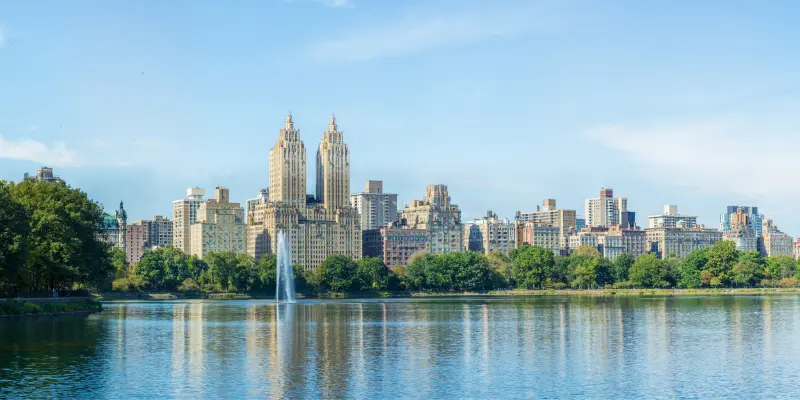
On the west side of the park, the Upper West Side is a strong base for families and travelers who prefer calmer evenings. Brownstones, local restaurants, Lincoln Center and the American Museum of Natural History give the area a very different character from Midtown. If you are staying here, subway lines along Broadway and Central Park West keep the rest of Manhattan accessible.
For routes through the park, see our Central Park guide.
Upper East Side and Museum Mile
The Upper East Side is associated with elegant residential streets, Madison Avenue, Fifth Avenue apartments and some of New York’s most important museums. The Metropolitan Museum of Art is the major anchor, but the neighborhood also rewards simple walking. Side streets become quieter within a few blocks of Fifth Avenue, and the contrast between grand avenues and neighborhood life is part of the experience.
If art is a priority, combine the Met with a Central Park walk rather than trying to add multiple enormous museums in one day. The goal is to remember what you saw, not to prove how many institutions you entered.
Lower Manhattan and the Financial District
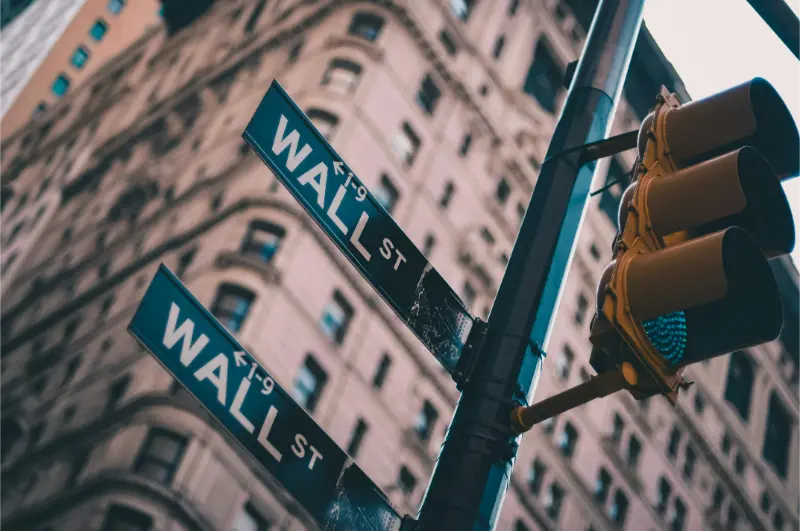
At Manhattan’s southern end, the street grid gives way to older, narrower streets. This is where New York’s colonial and financial history intersects with some of its newest architecture. The Battery, Wall Street, Federal Hall, Trinity Church, the 9/11 Memorial, One World Trade Center and the Oculus can all be connected on foot.

Lower Manhattan is also the gateway to the Statue of Liberty, Ellis Island and several ferry routes. If you plan an island visit, use the morning for the ferry and the afternoon for the Financial District. If you are not visiting the islands, you can explore Downtown more slowly and add the Brooklyn Bridge near sunset.
Read our Statue of Liberty and Ellis Island guide before booking ferry tickets.
SoHo, Nolita and Chinatown
SoHo is one of Manhattan’s strongest areas for cast-iron architecture, shopping and street atmosphere. The busiest blocks can feel commercial, but the neighborhood is still worth exploring for its architecture and its location between several very different districts. Nolita immediately to the east feels smaller and more intimate.
Chinatown changes the sensory experience completely: markets, bakeries, restaurants, signs and narrow streets create a dense neighborhood that rewards wandering. Pair Chinatown with the Lower East Side or Little Italy, but do not assume you need to eat in the most visibly tourist-oriented block. A few streets of exploration usually produce more interesting options.
Greenwich Village and the West Village
Greenwich Village is one of the best places in Manhattan to stop following a checklist. Washington Square Park is the obvious anchor, but the pleasure is in the surrounding streets, historic buildings, cafes, jazz history and human scale. The West Village becomes even less grid-like, with winding streets and brownstones that feel surprisingly distant from Midtown.
This is a particularly good area for late afternoon and dinner. Walk south from Chelsea or north from SoHo and let the neighborhood become the destination. If you enjoy film and television locations, you will recognize many corners, but avoid turning every block into a photo hunt; the area is better experienced slowly.
Chelsea, the High Line and Hudson Yards
Chelsea combines galleries, food, residential streets and one of New York’s most successful elevated public spaces. The High Line runs above the west side and creates a linear walking route with changing views of architecture, streets and the Hudson River. Start near Hudson Yards and walk south, or reverse the route if you want to finish near the newer skyscrapers.
Chelsea Market can be useful for lunch, while the surrounding Meatpacking District and West Village make natural extensions. The area is also a good example of how Manhattan changes block by block: glass towers, old warehouses and low-rise residential streets sit within a short walk of one another.
Flatiron, NoMad and Union Square
These central neighborhoods are less overwhelming than Times Square while still placing you within easy reach of Downtown and Midtown. Madison Square Park, the Flatiron Building area, Union Square and Broadway create a pleasant walking corridor. For many repeat visitors, this part of Manhattan is one of the best places to stay because it balances transit convenience with a stronger neighborhood feel.
Harlem
Harlem deserves more than a quick photo stop. The neighborhood has deep importance in African American history, music, literature, art and food. Walk around 125th Street and the historic residential blocks, consider a cultural institution or live-music experience, and allow enough time to understand that Harlem is not one single street.
Travelers who enjoy architecture can continue toward Hamilton Heights and Sugar Hill. Those who prefer parks can combine Harlem with the northern part of Central Park or Riverside Park. Be respectful around churches and residential streets, particularly when visiting around services or community events.
How many days should you spend in Manhattan?
Three days gives you a fast overview. Four or five days allows a much better balance between landmarks and neighborhoods. A week in New York lets you spend several days in Manhattan while adding Brooklyn, Queens or the Bronx without feeling that you are sacrificing essential sights.
If your entire trip is three days, use our 3-day New York itinerary. For a longer stay, the 7-day itinerary gives you more neighborhood time.
Best ways to get around Manhattan
Most Manhattan sightseeing is a combination of subway and walking. Use the subway for large north-south jumps and walk within each neighborhood cluster. Buses can be useful for crosstown travel and for visitors who prefer seeing the city at street level, although traffic makes them slower at busy times.
Do not judge distance only by avenue numbers. Manhattan avenues are much farther apart than numbered streets. A destination that looks “only four avenues away” can be a substantial walk. See our New York transportation guide for subway and OMNY advice.
Where should you stay in Manhattan?
Choose by trip style rather than searching for a mythical single best area. Midtown is efficient for first visits. Chelsea and Flatiron balance location and neighborhood atmosphere. The Upper West Side works well for Central Park and families. Lower Manhattan is convenient for Downtown and Brooklyn. Greenwich Village and SoHo offer atmosphere but can be expensive and noisy.
Always check the exact distance from the hotel to a subway station and which lines serve it. Our detailed where to stay in New York City guide compares the strongest bases.
When is Manhattan at its best?
Spring and fall are excellent for walking because temperatures are often comfortable. Summer brings long days, parks and outdoor events but can be hot and humid. Winter can be cold, yet the holiday season creates a particularly atmospheric version of Midtown. January and February often feel calmer outside major event periods.
Weather is never perfectly predictable, so build flexibility into the schedule. Use museums and indoor landmarks on difficult-weather days and protect outdoor experiences such as Central Park, the High Line and Brooklyn Bridge for better conditions when possible.
Manhattan mistakes to avoid
- Trying to see Downtown, Midtown and Uptown deeply in one day.
- Eating every meal directly beside a major attraction.
- Taking taxis for journeys that are faster by subway.
- Scheduling multiple observation decks simply because they are famous.
- Walking without comfortable shoes.
- Ignoring neighborhood time because the itinerary is full of ticketed attractions.
- Assuming Manhattan represents all of New York City.
Frequently asked questions
Is Manhattan safe for tourists?
Millions of visitors explore Manhattan every year. Use normal big-city awareness: stay attentive in crowded places, keep valuables secure, avoid empty subway cars, and follow local guidance late at night. Conditions vary block by block, so use common sense rather than broad stereotypes about entire neighborhoods.
Can you walk all of Manhattan?
You can walk enormous portions of it, but trying to cross the whole borough on foot during a sightseeing day is inefficient. Use the subway for long jumps, then walk locally.
Is Midtown the best area for a first visit?
It is one of the most convenient, especially for a short trip, but travelers who prioritize atmosphere may prefer Chelsea, Flatiron, the Upper West Side or Downtown.
Do you need a car in Manhattan?
No for a normal sightseeing trip. Parking, traffic and costs usually make a car more difficult than public transportation.
Final advice
The best Manhattan itinerary combines one or two major anchors with neighborhood exploration. See the skyline, walk through Central Park, stand under the lights of Times Square and visit the landmarks you have imagined for years—but also leave room for a cafe, an unexpected street, a small park or a neighborhood that was never on your original list. Manhattan becomes memorable when it stops being a checklist and starts feeling like a city you have briefly learned how to navigate.