

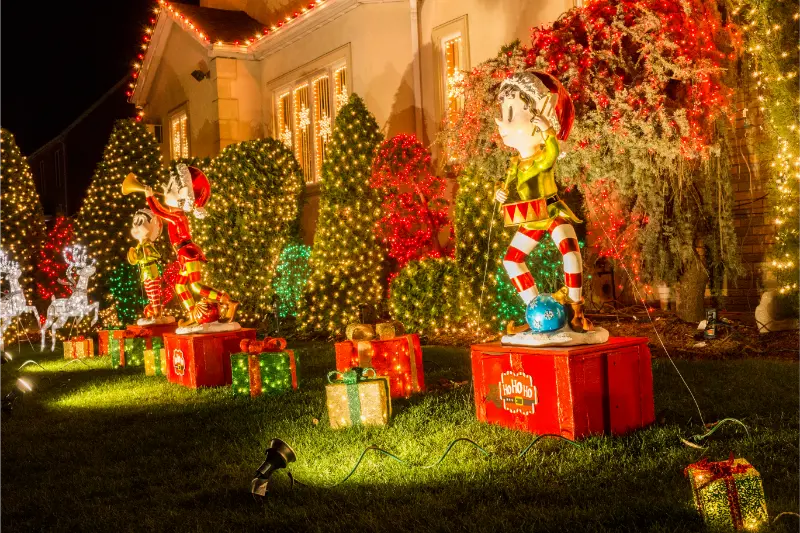
Dyker Heights is not an official theme park or one centrally managed light show. It is a residential Brooklyn neighborhood where individual households create extravagant Christmas displays—giant figures, animated decorations, dense light installations and front yards transformed into holiday scenes. That distinction matters because there is no single opening time, ticket or guarantee that every house will decorate in the same way each year.
For 2026, the safest planning assumption is the same pattern that has made Dyker Heights famous: displays build after Thanksgiving, become most reliable through December and are strongest after dark. The core area traditionally sits around 83rd to 86th Streets between roughly 11th and 13th Avenues. Respect for residents is part of the experience.
Quick facts
| Neighborhood | Dyker Heights, Brooklyn |
|---|---|
| Core display area | Roughly 83rd–86th Streets, around 11th–13th Avenues |
| Best period | December, especially mid-month onward |
| Admission | Free to walk; guided tours cost extra |
Where to see the best lights
The classic walking zone is centered on the low-80s streets between 11th and 13th Avenues. Displays spread beyond those blocks, but this area gives a first-time visitor the highest concentration without wandering too far through residential streets.
Do not obsess over an exact “best house.” Decorations change, and part of the fun is turning a corner and finding something unexpected. Begin near 83rd or 84th Street, walk a slow grid through the central blocks, then exit toward your transport rather than retracing every street.
Best dates in 2026
Individual homeowners decide when to install and switch on decorations, so no single official opening date exists. If the lights are a major reason for your trip, aim for mid-December through the days before Christmas. Early December can still be very good, while the final days of November are less predictable.
Weeknights are usually easier than Friday and Saturday. Christmas week offers strong displays but also heavy visitor traffic. Weather matters: a dry cold evening is much more comfortable than a wet windy one.
Best time of night
Arrive after sunset but before the latest evening hours. Early evening gives families a better experience and respects the fact that this is a residential neighborhood. Many guided tours also concentrate in the early-to-mid evening window.
Avoid treating midnight as a strategy for beating crowds. Residents live behind these displays. Noise, blocking driveways and lingering very late are poor behavior even if the decorations remain illuminated.
How to get there by subway
Dyker Heights does not have a subway station in the middle of the display zone. Visitors typically use nearby stations and walk. The D train to 79th Street or the R train to 86th Street can be practical depending on service, followed by a substantial walk.

Check MTA weekend and evening service changes before leaving Manhattan. Wear comfortable shoes because the subway trip is only part of the journey. The walking itself can easily add several kilometers.
Guided tour versus independent visit
Walking independently is free and gives you complete control over pace. A guided bus tour can simplify transport from Manhattan and provide context, but tours cost more and may keep you on a fixed schedule.
Families, older visitors and travelers uncomfortable navigating outer-borough transit late at night may appreciate a tour. Independent travelers who enjoy neighborhoods and do not mind walking usually gain more flexibility on their own.
Etiquette in a residential neighborhood
Stay on public sidewalks, keep off lawns and stoops, never block driveways and keep voices down. Do not touch decorations. If a street becomes congested, keep moving rather than creating a static photo line in front of someone’s home.
Businesses nearby benefit from the seasonal traffic, so consider buying coffee, dessert or dinner in the area. But remember that not every block is a tourist zone; you are visiting a real community.
What to wear and bring
December nights in Brooklyn can feel colder than Midtown because you spend long periods outdoors and away from large indoor attractions. Wear warm footwear, gloves and wind-resistant layers. A power bank is useful because constant photography drains batteries quickly in cold weather.
Keep bags compact. A thermos can be pleasant, but do not create litter. Public restroom options are limited compared with central Manhattan, so plan before you arrive.
Combine Dyker Heights with another Brooklyn day
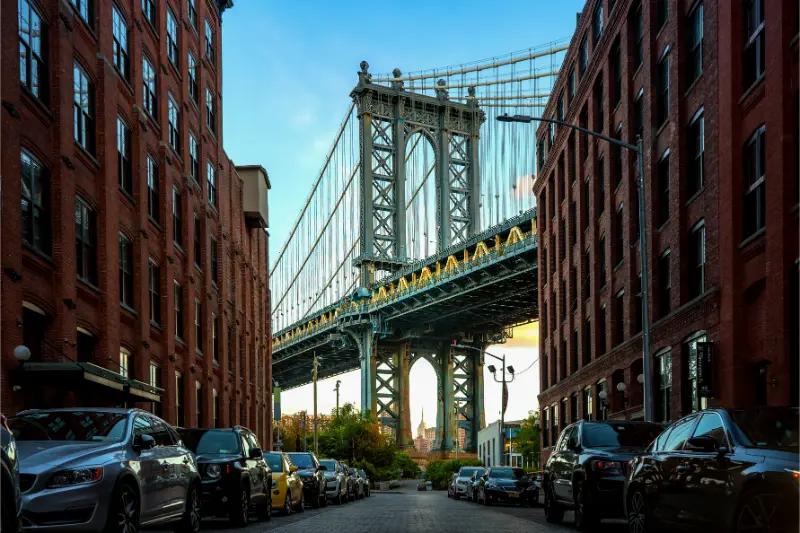
Spend the afternoon in DUMBO, Brooklyn Heights or Prospect Park, have an early dinner, then travel to Dyker Heights after sunset. Another option is Coney Island if seasonal activities match your date, but travel times become longer.
Avoid pairing Dyker Heights with a late Broadway show on the same night. The return to Manhattan can take time, especially if subway service changes.
How to plan this around a real New York trip
The smartest way to use this guide is to treat Dyker Heights Christmas lights 2026 as an anchor, not as an isolated item on a huge checklist. New York rewards compact days. Put nearby neighborhoods, meals and attractions on the same side of town, then leave a realistic buffer before any timed entry or crowd-controlled event. During major seasonal events, a distance that normally takes 15 minutes can take much longer because sidewalks, station exits and street crossings are managed differently.
Keep one flexible block in the day. If the weather is poor, move an indoor museum or meal into that space. If crowds are lighter than expected, use the extra time for a walk. This is especially important from late October through New Year, when daylight is shorter and the city’s most popular areas can feel completely different after dark.
Save the official event page, your hotel address and the nearest useful subway stations offline before leaving the hotel. Event-day cellular service can be slower in dense crowds, and temporary closures are easier to manage when you already know two ways back. If you are traveling as a group, choose one meeting point that is outside the most congested zone rather than saying only “we’ll text each other.”
Families, older travelers and accessibility
Crowd tolerance matters as much as physical accessibility. A route can be step-free and still be exhausting if it requires hours of standing, repeated security screening or a late-night subway ride. Families with young children, older travelers and visitors with mobility needs should prioritize predictable exits, nearby restrooms, seating opportunities and a shorter total day.
For ticketed venues, check the official accessibility page and contact guest services when you need a specific accommodation. For outdoor events, the exact street layout can change through police barriers, construction or weather. Build a plan that works even if your preferred corner is unavailable. A nearby café, hotel lobby or indoor attraction can be an important reset point in cold weather.
If someone in your group cannot comfortably stand for a long period, do not assume the most famous public viewing position is automatically the best experience. A broadcast, ticketed indoor venue, shorter daytime visit or less crowded neighborhood can preserve the atmosphere without turning the event into an endurance test.
Booking strategy and where to stay
Seasonal weekends create unusual hotel demand patterns. A neighborhood that is normally a good value may become expensive because it is close to a parade, race finish or holiday venue. Compare the total stay price, not only the first nightly rate, and read the cancellation rules before booking.
Location can be worth more than a small room-rate saving on a major event day. If walking back to the hotel avoids a packed transfer after midnight or a road-closure detour, that convenience has real value. On the other hand, a direct subway line can make a hotel outside the event zone a much calmer base.
Disclosure: Dreaming New York may earn a commission from qualifying hotel bookings made through affiliate links, at no extra cost to you.
Check New York City hotel availability on Booking.com
Practical checklist before you go
- Recheck the official event or venue page 24–48 hours before your visit.
- Check MTA service status and save at least one alternative subway route.
- Confirm any timed ticket, restaurant reservation or hotel-access instruction.
- Dress for the amount of time you will actually spend outdoors and standing still.
- Carry a charged phone and compact power bank, but keep important details offline too.
- Use a small bag and avoid bringing items that could create problems at security screening.
- Agree on a meeting point if your group becomes separated.
- Leave margin after the event rather than booking another timed attraction immediately.
Useful Dreaming New York guides
- Brooklyn Travel Guide: Best Neighborhoods and Things to Do
- DUMBO & Brooklyn Heights Guide: Best Views, Streets and Walking Route
- Brooklyn Bridge Park Guide: Piers, Skyline Views and Things to Do
- Christmas in New York City: Lights, Markets, Ice Skating and 2026 Holiday Tips
- New York in Winter: What to Wear, What to Do and How to Enjoy the Cold
- Christmas Markets in New York 2026: Bryant Park, Union Square, Columbus Circle and More
Official resources worth saving
Frequently asked questions
Are the Dyker Heights Christmas lights free?
Yes to walk the public streets. Guided bus tours and organized experiences charge separately.
What streets have the best displays?
The traditional core is around 83rd–86th Streets between approximately 11th and 13th Avenues.
When should I go in 2026?
December is the safest period, with mid-month through Christmas especially reliable.
Can I visit during the day?
You can, but the displays are designed for after-dark viewing.
Is Dyker Heights suitable for children?
Yes, but dress them warmly, expect walking and choose an early-evening visit rather than a very late one.
Final recommendation
Plan Dyker Heights Christmas lights 2026 around the experience you actually want, not around the number of things you can technically fit into one day. The most successful seasonal New York trips leave extra time for walking, weather, crowds and spontaneous discoveries. Use confirmed 2026 information as your starting point, then make one final check of the official source shortly before you go because access rules, hours and event operations can still change.