

One World Observatory offers a perspective no other major New York observation deck can fully match. From the top of One World Trade Center, Lower Manhattan spreads beneath you while the harbor, Brooklyn, New Jersey and Midtown extend in every direction. The experience is fully enclosed, highly polished and closely tied to the architecture of the rebuilt World Trade Center site.
It is also easy to confuse with the nearby 9/11 Memorial & Museum. They are separate attractions with separate tickets and very different purposes. This guide explains what One World Observatory includes, the best time to go and how it compares with Empire State Building, Top of the Rock and Edge.
Where is One World Observatory?
The observatory is inside One World Trade Center at 117 West Street, at the corner of West and Vesey Streets in Lower Manhattan. You can also approach through the World Trade Center Oculus.

Multiple subway lines serve the surrounding area, including the E to World Trade Center, 1 to WTC Cortlandt and A, C, 2, 3, 4 and 5 trains at nearby stations depending on your route.
Which floors are part of the observatory?
The official One World Observatory site states that the experience spans the 100th, 101st and 102nd floors, covering more than 125,000 square feet.
The attraction combines skyline views with multimedia elements, restaurants, interactive displays and the high-speed SkyPod elevators.
Current opening hours
The official visitor page currently lists daily opening from 9 a.m. to 9 p.m., while noting that hours change seasonally. Always check your specific date before buying a timed ticket.
Because the attraction is indoors, it is less vulnerable to wind and cold than Edge or the Empire State Building’s open-air deck, but poor visibility can still affect the view.
The SkyPod elevator experience
The ride upward is part of the attraction. Digital screens inside the elevators show the transformation of New York’s skyline as you ascend. It is fast, visually impressive and helps create a sense of arrival rather than feeling like a normal office elevator.
If you are sensitive to elevators or rapid vertical movement, know in advance that the ride is brief but intense.
The See Forever Theater reveal
After the ascent, visitors move through a short multimedia presentation before the skyline is revealed. The effect is deliberately theatrical. Some travelers love it; others would prefer to walk directly to the windows.
Either way, do not judge the observatory only by the introductory technology. The real strength comes once you can move around the windows and understand the geography below.
What can you see?
Looking south and east, the harbor is a major part of the view. The Statue of Liberty, Ellis Island and Brooklyn sit naturally within the panorama. The Brooklyn and Manhattan bridges are easy to identify, while Midtown appears farther north as a separate cluster of towers.
This distance from Midtown is exactly what differentiates One World Observatory. At Top of the Rock, you are inside the densest skyscraper field. Here, you see Manhattan as a long island stretching north from the harbor.
Is the deck outdoors?
No. One World Observatory is a fully enclosed experience. That makes it comfortable in winter, rain and strong wind, but photographers need to work around reflections in the glass.
If feeling the air and standing outside are important to you, choose the Empire State Building, Top of the Rock or Edge instead. If weather protection and panoramic glass views matter more, One World is a strong option.
Ticket types
Standard admission includes timed entry and access to all three observatory levels. More expensive combination and all-inclusive tickets can add priority access, the interactive skyline guide and credits for food, drinks or shopping. VIP guided experiences are also available.
For most first-time visitors, standard admission is enough. Pay for priority only if your schedule is tight or the added flexibility has real value to you.
Best time to visit
Morning
Morning can offer clearer air and a calmer experience. It also pairs well with a walking day in the Financial District afterward.
Sunset
Sunset produces the biggest transformation in the harbor and skyline, but premium times can cost more and sell out. Because the observatory is enclosed, reflections become more noticeable as interior lights come on.
Night
At night, Midtown glows in the distance while Lower Manhattan lights surround you. The harbor becomes darker, so if seeing the Statue of Liberty clearly matters, daylight is better.
How long should you spend?
Allow 60 to 90 minutes for a standard visit. Add more time if you want drinks or a meal at ONE Dine, explore interactive features slowly or wait for sunset.
The attraction is efficient compared with some open-air decks because weather does not force visitors to move between exposed terraces.
ONE Dine and food
The 101st floor includes dining options, with ONE Dine offering a full restaurant experience. The observatory recommends reservations for the restaurant, and dining areas are available only to ticketed observatory guests.
A meal can turn the visit into a special evening, but you do not need to dine there to enjoy the skyline. If your budget is limited, spend the money on another neighborhood meal.
One World Observatory vs 9/11 Memorial & Museum
These are completely separate experiences. The 9/11 Memorial & Museum is a memorial and historical institution. One World Observatory is a commercial sightseeing attraction focused on views and interactive experiences.
They can be visited on the same day because they are adjacent, but give yourself emotional and practical space between them.
One World Observatory vs Top of the Rock
Choose One World for harbor views, Lower Manhattan and an all-weather enclosed experience. Choose Top of the Rock for an open-air deck and the classic Empire State Building view.
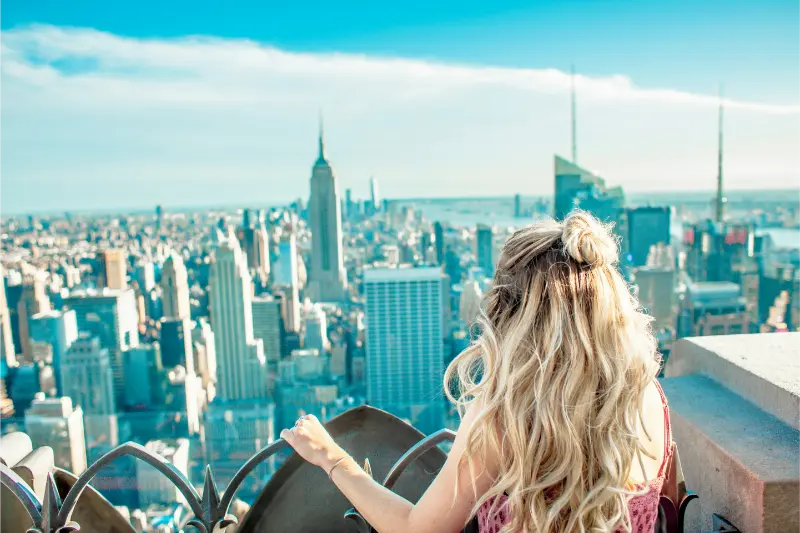
If this is your first time in New York and you can choose only one, your itinerary may make the decision: One World fits a Downtown day, while Top of the Rock fits Midtown.
One World Observatory vs Edge
Edge feels more physical and adventurous, especially on the glass floor and outdoor platform. One World is smoother, enclosed and more focused on a sweeping geographic panorama.
Travelers who dislike wind or exposed heights may feel more comfortable at One World.
Photography tips
Because you shoot through glass, wear dark clothing if photography is a priority; bright shirts can reflect into the windows. Move the camera or phone close to the glass without touching it and avoid photographing directly under bright interior lights.
Daylight produces cleaner images of the harbor. At night, reflections are harder to control but the city lights are spectacular.
Accessibility
The official observatory information states that the venue, restaurants, retail areas and restrooms are accessible to guests who use wheelchairs or require special services. Strollers are permitted, although children may need to be removed and strollers folded at certain elevator or escalator points.
For broader transport planning, see our accessible New York guide.
What to do nearby
Combine the observatory with the Oculus, Brookfield Place, Wall Street, Trinity Church or Battery Park. The Lower Manhattan guide gives you a practical route without unnecessary backtracking.
If you have more energy, continue toward the Brooklyn Bridge, but do not stack too many timed attractions into the same afternoon.
Is One World Observatory worth it?
Yes if you want a high-quality skyline experience during a Downtown day, especially in bad weather or winter. It is less compelling if your main dream is an open-air photograph with the Empire State Building close in front of you.
Before booking, compare all major options in our New York observation decks guide.
A practical Downtown half-day
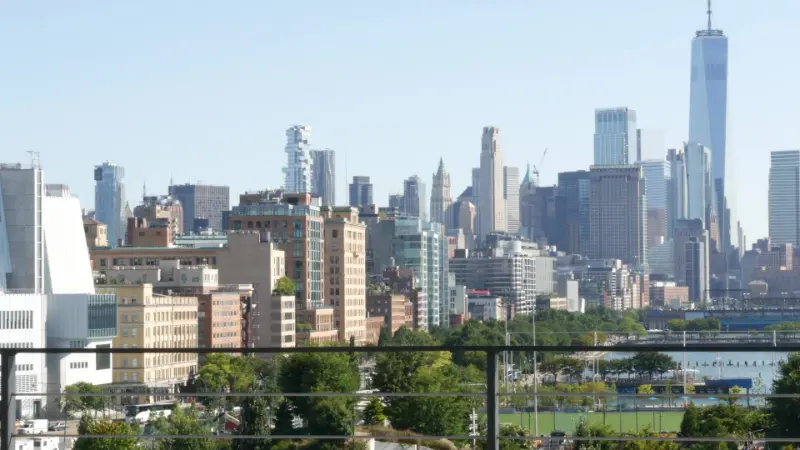
Start at the 9/11 Memorial, walk through the Oculus and then use your timed One World Observatory ticket. After descending, continue to Brookfield Place and the Hudson River waterfront, where you can see the Statue of Liberty in the distance. If you still have energy, walk through the Financial District toward Wall Street. This route keeps the day geographically compact and minimizes subway time.
Frequently asked questions
Can you visit One World Observatory in bad weather?
Yes, and the enclosed design makes it comfortable physically, but clouds and fog can hide the skyline. The attraction has a visibility-related commitment with specific terms, so check the official policy if weather is poor.
Can you take a tripod?
The official rules allow normal personal photography but restrict tripods and other professional equipment. A phone or handheld camera is the easiest choice for most visitors.
Because the observatory is fully enclosed, it is also one of the easier major viewpoints for families with younger children who may feel nervous on exposed outdoor decks.
Final tip
Choose One World Observatory for its location and perspective rather than simply because it is high. The best part is seeing how Lower Manhattan meets the harbor and how the whole city stretches north from the World Trade Center. On a clear day, that geographic understanding can change the way the rest of New York feels when you return to street level.