

Summer in New York is energetic, crowded and full of possibilities. Parks become outdoor living rooms, rooftops fill after work, ferries feel like attractions, free concerts appear across the boroughs and Coney Island or Rockaway Beach can turn a city trip into a beach day. The challenge is heat and humidity: a perfect itinerary on paper can become exhausting if it requires miles of walking in the hottest part of the afternoon.
This New York in summer guide explains what to do in June, July and August, how to handle hot weather, where to find water and shade, which outdoor experiences are worth prioritizing and how to build a summer itinerary that does not feel like an endurance test.
What is New York summer weather like?
Expect warm to hot conditions, humidity and occasional thunderstorms. Heat waves can push temperatures much higher than seasonal averages, while subway platforms and sun-exposed streets can feel hotter than the official reading.
Check the National Weather Service forecast daily. When heat advisories are issued, reduce strenuous outdoor activity, drink more water and use air-conditioned indoor attractions during the hottest hours.
Is June, July or August best?
June often offers the best balance: long daylight, major outdoor programming and sometimes less oppressive heat than midsummer. July is full of events but can be hot and crowded. August can also be very warm, though some travelers enjoy slightly different crowd patterns and late-summer events.
There is no guaranteed “cool” summer week. Build flexibility into the day regardless of month.
1. Central Park early or late
Central Park is a summer essential, but timing matters. Go in the morning before heat builds or late in the afternoon when shadows lengthen. Spend midday under trees, near water or indoors.
Sheep Meadow, the Lake, Bethesda Terrace, Conservatory Water and the shaded Ramble all feel different in summer. Our Central Park guide offers routes of different lengths.
2. Take the NYC Ferry
A ferry ride is both transportation and a summer experience. Routes along the East River provide skyline views and a breeze that can feel welcome after a hot afternoon. Ferries connect areas such as Wall Street, Long Island City, Williamsburg, DUMBO and other waterfront neighborhoods.
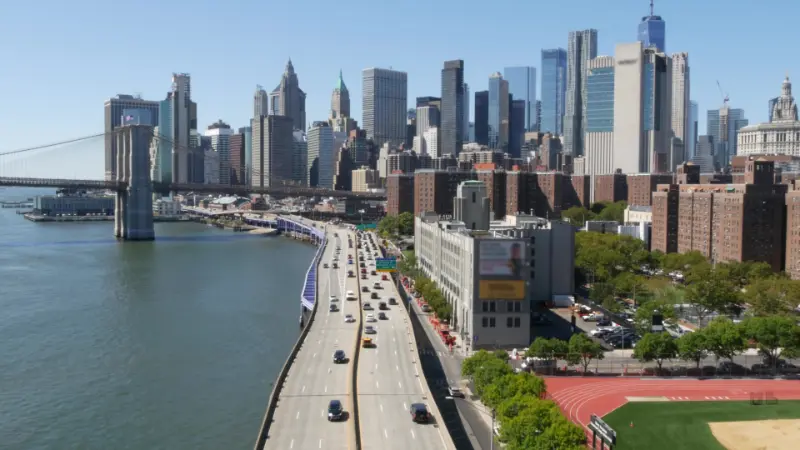
Ferries use a separate fare system from subway and buses, so check current NYC Ferry prices and schedules before boarding.
3. Walk the Brooklyn waterfront at sunset
Brooklyn Bridge Park is best in summer after the strongest midday sun has passed. Walk the piers, photograph Lower Manhattan and continue into Brooklyn Heights or DUMBO for dinner.
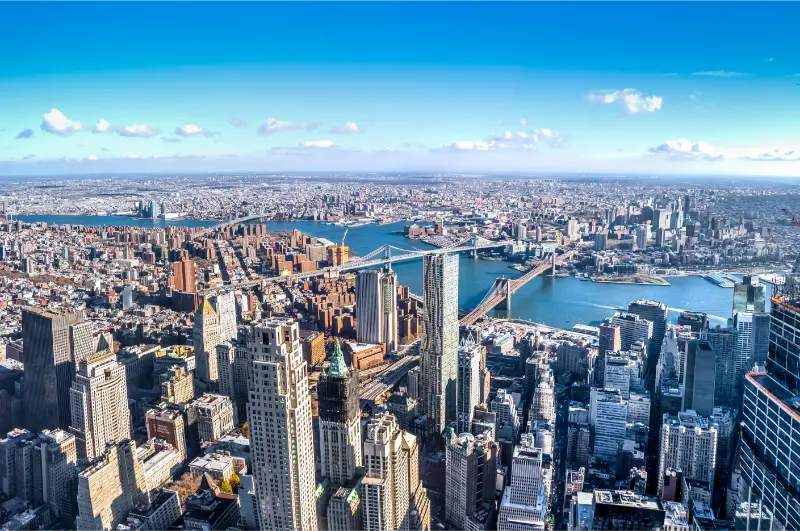
If you want to cross the Brooklyn Bridge, early morning or evening is usually much more comfortable than 2:00 p.m. on a hot July day.
4. Coney Island
Coney Island comes alive in summer with rides, beach activity, boardwalk food and the New York Aquarium. It is one of the best ways to change the rhythm of a city trip after several days of museums and skyscrapers.
Swimming is permitted only when lifeguards are on duty during the official beach season. Check NYC Parks conditions before leaving. Our Coney Island guide covers rides, aquarium, transport and timing.
5. Rockaway Beach
Rockaway Beach in Queens provides another real Atlantic beach option and is known for surfing in designated areas. It requires more travel time from central Manhattan, so treat it as a dedicated day or half-day rather than a quick stop.
Summer weekends can be busy. Bring sun protection and check beach advisories and lifeguard information before swimming.
6. Governors Island
Governors Island offers lawns, bike paths, public art, harbor views and a feeling of separation from Manhattan despite the short ferry ride. Summer is one of the best times to visit because outdoor areas and programming are fully active.
Bring water, sunscreen and a hat. Shade exists, but large open areas can feel hot. Check current ferry options from Manhattan and Brooklyn before you go.
7. The High Line
The High Line is beautiful in summer, with dense planting and changing views, but it can become crowded and sun-exposed. Walk it early in the morning or near sunset and combine it with Chelsea Market for an indoor break.

Starting at Hudson Yards and moving south toward Chelsea can work well if you want to finish in the West Village for dinner.
8. Outdoor movies and concerts
Summer brings free and low-cost cultural programming to parks across New York. Bryant Park, Central Park, Prospect Park and many neighborhood spaces host films, music and performances.
Schedules change every year, so search official park and cultural calendars for your dates rather than using a list from a previous summer. Arrive early for popular free events and bring a light layer for later evening.
9. Baseball
Summer is baseball season. The Yankees play in the Bronx and the Mets at Citi Field in Queens. A game can become an excellent evening activity because much of the sightseeing day remains free.
For day games in extreme heat, choose shaded seats when possible and stay hydrated. Night games are often more comfortable for visitors.
10. Rooftop bars and skyline terraces
Warm evenings make rooftop bars appealing, but prices can be high and dress codes vary. Use rooftops as a social experience rather than a substitute for an observation deck if skyline photography is your priority.
Reserve popular sunset slots and confirm age restrictions if traveling with teenagers.
11. Observation decks in summer
Summer sunsets happen late, which changes scheduling. A sunset ticket can push dinner well into the evening. Decide whether you want golden light, blue hour or daytime visibility, then choose your entry time accordingly.
Thunderstorms and haze can reduce visibility. If your ticket is flexible, use the best forecast day. Compare viewpoints in our New York observation-deck guide.
12. Museums at midday
One of the smartest summer strategies is to use museums during peak heat. Walk Central Park early, enter the Met around lunchtime, then return outside later. Downtown, combine a morning walk with the 9/11 Museum or another indoor attraction in the afternoon.
Air conditioning can be strong, so carrying a light layer is useful even on a very hot day.
13. Explore Queens through food
Queens is an excellent summer choice because many food-focused neighborhoods work well in the evening. Jackson Heights and Flushing offer an enormous range of cuisines, while Long Island City adds waterfront skyline views.
See our Queens guide for route ideas.
14. Williamsburg and Brooklyn evenings
Williamsburg works especially well from late afternoon onward. Browse shops, have dinner, walk the waterfront and use the ferry if the schedule fits. Summer outdoor markets and events can make weekends lively, but also more crowded.
15. Harlem in summer
Harlem’s parks, street life and cultural events make it a strong summer neighborhood day. In 2026, the Apollo continues programming while its historic theater undergoes renovation. Check current event calendars for performances and community events.
Our Harlem guide explains the neighborhood in more depth.
Summer with children
Families should plan around shade, water and bathroom access. Start early, schedule an indoor midday attraction, then use parks, ferries or playgrounds later. Coney Island, the New York Aquarium, Central Park and Brooklyn Bridge Park are strong options, but not all on the same day.
Carry refillable water bottles and snacks. Children can become tired from heat long before adults notice the warning signs.
Where to cool down
Museums, libraries, department stores, food halls and hotel breaks are practical cooling spaces. Public pools and splash areas can help families, but access rules and schedules vary. Never assume every fountain or water feature allows swimming.
Hydration and heat safety
Drink water before you feel thirsty and reduce alcohol during the hottest part of the day. Heat exhaustion can develop quickly when visitors combine jet lag, long walks and sun exposure.
During extreme heat, NYC may open cooling centers and publish public health guidance. Follow official city information if a heat advisory is active.
What to wear in summer
- Light, breathable clothing.
- Comfortable walking shoes.
- Hat and sunglasses.
- Sunscreen.
- Light rain layer or compact umbrella for storms.
- A thin indoor layer for aggressive air conditioning.
- Refillable water bottle.
Summer transportation tips
Subway cars are air-conditioned, but platforms can be very hot. Avoid waiting on exposed platforms longer than necessary and check service before leaving. Ferries can be more pleasant but may involve outdoor waiting and separate fares.
Walking remains one of the best ways to explore, but reduce long north-south walks during extreme heat and use the subway for distance.
Where to stay in summer
Prioritize reliable air conditioning and easy subway access. A cheaper room far from transit can become frustrating after a hot day. If you like evening waterfront time, Long Island City, Downtown Brooklyn or Lower Manhattan can be interesting alternatives to Midtown.
See our where to stay guide for neighborhood comparisons.
A perfect hot-weather day
Start with an outdoor neighborhood walk around 8:00 or 9:00 a.m. Have an early lunch, spend the hottest hours in a major museum, return to the hotel for a short break, then head to the waterfront for sunset and dinner. This rhythm often feels much better than trying to sightsee continuously from breakfast to midnight.
Common summer mistakes
- Crossing the Brooklyn Bridge at the hottest hour because the itinerary says noon.
- Planning five outdoor attractions with no air-conditioned break.
- Assuming every subway platform is cool because the trains are air-conditioned.
- Forgetting sunscreen because the trip is “urban.”
- Scheduling a beach day without checking lifeguard and weather conditions.
- Booking a sunset observation deck without noticing how late sunset is.
- Ignoring thunderstorms in the forecast.
Frequently asked questions
Is summer a good time to visit New York?
Yes if you enjoy outdoor events, parks, long evenings and lively neighborhoods. Heat and humidity are the main disadvantages.
What is the best summer month?
June is often the easiest balance for many visitors, but weather varies and July or August can also be excellent with smart pacing.
Can you go to the beach in New York City?
Yes. Coney Island, Brighton Beach and Rockaway Beach are major options. Swim only when lifeguards are on duty and follow current beach rules.
Do I need a jacket in summer?
A light layer is useful for heavily air-conditioned museums, restaurants and theaters and for cooler evenings after storms.
Final advice
Summer New York is best when you work with the weather rather than against it. Use mornings for walking, midday for museums, late afternoon for ferries and parks, and evenings for neighborhoods, baseball or rooftops. The city offers an extraordinary amount outdoors in summer, but you will enjoy more of it if you stop treating every hour as a test of endurance.