

New York’s museums are destinations in their own right. You could spend a week moving from masterpieces and dinosaur halls to immigration history, modern design, photography, film and neighborhood culture and still leave with a long list for the next trip. That abundance creates a practical problem for visitors: which New York museums are actually worth your limited vacation time?
This guide focuses on the museums most useful to travelers, what each one does best, how much time to allow and how to combine them with nearby neighborhoods. Admission policies and opening hours change, so use the official websites linked below when fixing your schedule.
1. The Metropolitan Museum of Art
The Met is the obvious first choice for travelers who love art, history and world cultures. Its collection spans thousands of years, from ancient civilizations to European painting, American art, arms and armor, fashion and decorative arts. The building is so large that trying to “see everything” creates museum fatigue rather than a better visit.
Choose two or three departments, then let yourself discover nearby rooms. The Met sits on Fifth Avenue beside Central Park, making it ideal to combine with an outdoor morning or afternoon. As of September 2026, the official visitor page lists the main Fifth Avenue museum as closed on Wednesday, open until 9 p.m. Friday and Saturday, and generally 10 a.m.–5 p.m. on other open days. Verify your date at the official Met website.

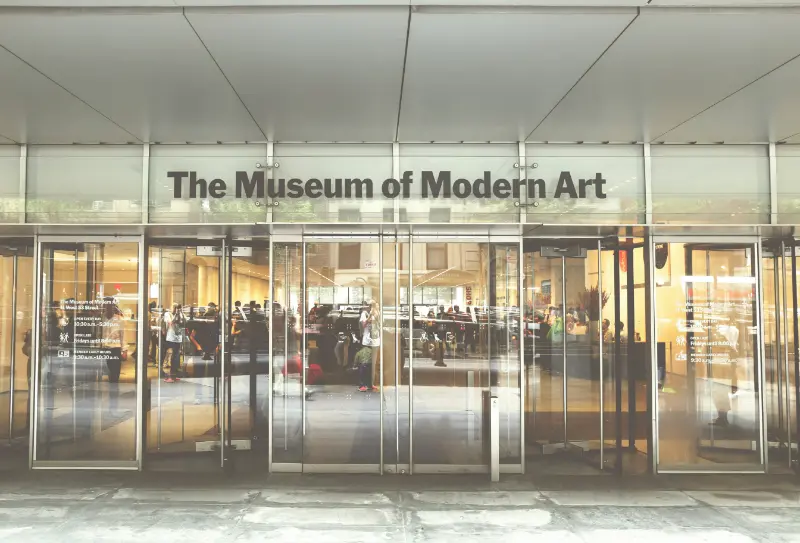
2. Museum of Modern Art (MoMA)
MoMA is one of the essential modern and contemporary art museums in the world. It works particularly well for travelers who want to see major 19th-, 20th- and 21st-century works without dedicating an entire day to a museum. Architecture, design, photography, film and painting all have important roles.
The museum’s Midtown location is extremely convenient. Combine it with Rockefeller Center, Fifth Avenue or Times Square. As of 2026, standard adult admission is listed at $30 and children 16 and under are free; check current hours and eligibility on the official MoMA visitor page.
3. American Museum of Natural History
Dinosaurs are the headline for many families, but the museum goes much further: biodiversity, mammals, oceans, human cultures, Earth and space science, plus the Richard Gilder Center and special exhibitions. It is one of New York’s strongest rainy-day choices and one of the easiest major museums to pair with children.
As of September 2026, the museum lists daily hours of 10 a.m.–5:30 p.m.. Standard admission for visitors from outside New York State is listed separately from resident pricing, and ticketed exhibitions cost more. Check the official AMNH page because temporary hall closures can occur.
4. 9/11 Memorial & Museum
This museum requires a different mindset from ordinary sightseeing. Through artifacts, testimony, multimedia and preserved elements of the World Trade Center site, it documents the September 11 attacks, those who died and the broader historical context.
Do not squeeze it between two cheerful attractions with only an hour available. Give the museum emotional and chronological space. Pair it with the outdoor memorial, the Oculus and Lower Manhattan, but avoid treating the visit as simply another stop on a checklist.
5. Whitney Museum of American Art
The Whitney focuses on American art, especially modern and contemporary work. Its Meatpacking District location makes it one of the easiest museums to integrate into a neighborhood day. Walk the High Line before or after, then continue through Chelsea, the West Village or Greenwich Village.
Even visitors who do not know the artists in advance may appreciate the museum’s relationship with the city and its architecture. It is a strong alternative to a second giant museum day.
6. Solomon R. Guggenheim Museum
The Guggenheim is as much about Frank Lloyd Wright’s spiraling building as the collection inside. On Museum Mile near Central Park, it pairs naturally with the Upper East Side. The distinctive ramp creates a visit that feels very different from the Met.
If your trip is short, choose the Guggenheim over the Met only if modern art or architecture is a stronger interest. Otherwise, save it for a second visit rather than overloading one Uptown day.
7. The Frick Collection
The Frick offers a more intimate experience centered on European paintings, sculpture and decorative arts associated with the collection of Henry Clay Frick. It is particularly appealing to travelers who prefer concentrated masterpieces and historic interiors over encyclopedic scale.
Because museum operations and gallery arrangements have evolved through renovation periods, check the official site for current visitor details before planning around a particular room or installation.
8. Tenement Museum
On the Lower East Side, the Tenement Museum interprets immigration, migration and urban life through historic buildings, guided experiences and neighborhood stories. It is one of the best museums for understanding New York as a lived city rather than only as a collection of landmarks.
Many experiences are tour-based and capacity is limited, so book ahead if it is a priority. Pair it with Chinatown, the Lower East Side or a food-focused neighborhood walk.
9. Ellis Island National Museum of Immigration
Ellis Island is a museum visit embedded in a harbor journey. Exhibitions explore the history of immigration and the people who passed through the station. The building itself and the ferry approach add emotional context that cannot be reproduced by a conventional indoor museum.
The National Park Service notes that Liberty and Ellis Islands together can take most of the day. Read our Statue of Liberty and Ellis Island guide before planning.
10. Museum of the Moving Image
Located in Astoria, Queens, the Museum of the Moving Image is an excellent choice for film, television, video games and media history. It also gives you a reason to leave Manhattan and explore a neighborhood known for restaurants and a strong local identity.
This museum is particularly good for repeat visitors or anyone whose interests lean toward screen culture rather than traditional fine art.
11. New York Transit Museum
Set in a decommissioned subway station in Downtown Brooklyn, the New York Transit Museum explores the system that shaped the modern city. Historic subway cars make it unusually tangible and family-friendly.
Pair it with Brooklyn Heights, DUMBO or Brooklyn Bridge Park. Transit fans can easily spend longer than expected, while casual visitors can enjoy a focused stop.
12. The Morgan Library & Museum
The Morgan combines rare books, manuscripts, drawings, art and one of New York’s most beautiful historic interiors. Its Midtown location near Grand Central and Bryant Park makes it easy to add to a day without dedicating several hours to a giant institution.
It is especially rewarding for lovers of books, libraries, old-world rooms and works on paper.
13. Cooper Hewitt, Smithsonian Design Museum
Cooper Hewitt focuses on design and sits in the former Carnegie mansion along Museum Mile. It is a strong choice for visitors interested in product design, graphics, interiors and the ways everyday objects are conceived.
Combine it with Central Park’s Conservatory Garden or an Upper East Side walk for a quieter day than the standard Midtown circuit.
14. The Jewish Museum
The Jewish Museum explores Jewish art and culture across history and contemporary life. It is another Museum Mile institution that benefits from a focused visit rather than being tacked onto the end of an exhausting museum marathon.
15. Brooklyn Museum
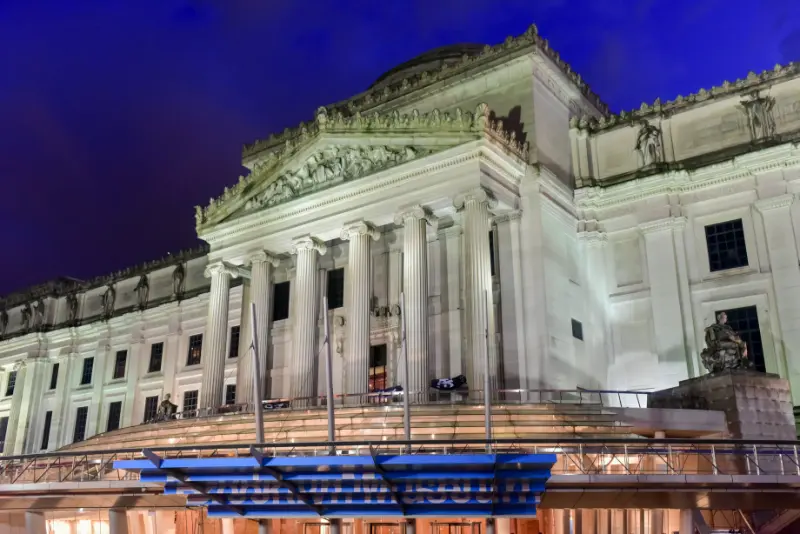
The Brooklyn Museum is one of the largest art museums in the United States and sits beside Prospect Park and Brooklyn Botanic Garden. For travelers spending a full day in Brooklyn, this cluster can create a rich alternative to Manhattan’s major institutions.
See our Brooklyn travel guide for ways to combine it with nearby neighborhoods.
Which museum should a first-time visitor choose?
If you love broad art history, choose the Met. For modern art, choose MoMA. For children, dinosaurs or science, choose AMNH. For the history of September 11, choose the 9/11 Memorial & Museum. For immigration history, choose Ellis Island or the Tenement Museum. For a smaller art museum, choose the Frick, Morgan or Whitney depending on taste.
How many museums should you visit?
On a five-day first trip, one or two major museums plus one smaller specialist museum is enough for most travelers. Visiting a giant museum every day can crowd out neighborhoods, parks and outdoor experiences. Museum lovers can obviously do more, but they should build the trip around that priority rather than treating museums as filler between landmarks.
How long should you allow?
- The Met: 3–5 hours for a focused first visit.
- MoMA: 2–3 hours.
- AMNH: 3–5 hours, longer with ticketed exhibitions.
- 9/11 Museum: roughly 2–3 hours for many visitors, but emotional pace varies.
- Whitney/Guggenheim/Frick: often 1.5–3 hours.
- Specialist museums: usually 1.5–3 hours depending on tours and interest.
These are planning estimates, not official visit limits.
How to save money on museums
Do not rely on outdated claims that a museum is “always pay what you wish.” Eligibility can depend on residence, age, student status or a specific time period. For example, AMNH’s current pay-what-you-wish policy applies to New York State residents with identification, while visitors from outside the state use standard pricing.
Check official discount rules, free periods and city attraction passes against your actual itinerary. If you only want two museums, a broad sightseeing pass may not save anything.
Best museums with kids
AMNH is the obvious first choice, while the New York Transit Museum offers a more compact and interactive experience. MoMA can work well with older children who enjoy art and design. The Met can be excellent if you choose one child-friendly theme—Egypt, armor, ancient sculpture—instead of walking through endless galleries.
Museum-day planning tips
- Book timed entry when required or strongly recommended.
- Check weekly closing days; they differ by institution.
- Confirm temporary gallery closures.
- Eat before you become exhausted.
- Use coat checks or lockers only after reviewing bag policies.
- Do not schedule two enormous museums back-to-back unless museums are the main purpose of your trip.
- Pair each museum with its surrounding neighborhood.
Frequently asked questions
What is the best museum in New York?
The Met is the broadest all-purpose choice, but “best” depends on your interests. MoMA, AMNH and the 9/11 Museum deliver completely different experiences.
Are New York museums free?
Some museums have free or reduced-price policies for specific groups or times, but many visitors pay standard admission. Always check the official policy for your eligibility.
Which museum is best on a rainy day?
Any major indoor museum works, but AMNH, the Met and MoMA can comfortably absorb several hours. Rainy days also make them busier, so advance tickets may help.
Can I visit the Met and AMNH on the same day?
You can, but most travelers will enjoy both more on separate days. Each deserves several hours and they sit on opposite sides of Central Park.
Final advice
The best museum plan is selective. Choose the institutions that genuinely match your interests, give them enough time and then step back into the neighborhood around them. New York’s museums explain the city, the world and the people who shaped both—but they work best as part of the trip, not as a race through famous buildings.