

The best New York observation deck for a family is not necessarily the tallest. Children may care more about seeing recognizable buildings, moving through interactive rooms or having enough indoor space than about gaining another few hundred feet of height. Location and timing can matter as much as the view.
This guide focuses on best NYC observation deck for kids with a realistic family pace: fewer transfers, dependable meal and restroom breaks, and enough flexibility to change direction when energy, weather or queues do not cooperate.
Quick facts
- Timed tickets and security screening are standard at major observation decks.
- Weather can reduce visibility even when the attraction remains open.
- Stroller and bag policies should be checked on the official page.
- Sunset is popular and often priced or booked differently from daytime entry.
What makes this plan work for families
Children experience New York differently from adults. Noise, long periods of standing and repeated security lines can be more tiring than the distance itself. Build the day around one activity everyone genuinely wants, then add a park, food stop or neighborhood walk that can be shortened without losing prepaid money.
Age labels are only a starting point. Consider attention span, fear of heights or darkness, sensory needs, usual nap time and how comfortable the child is in crowds. Two children of the same age can need completely different itineraries.
Best experiences and planning choices
Top of the Rock
A strong first-time choice because the view includes the Empire State Building and Central Park. Its Rockefeller Center location pairs easily with family sights and shops.

Before making this the fixed point of the day, confirm the current operating details and place it beside nearby stops. A family itinerary is more resilient when one change does not require crossing the city again.
Empire State Building
The building itself is the icon, with exhibits that help turn the visit into more than a view. Lines and the emotional appeal of the landmark are part of the decision.
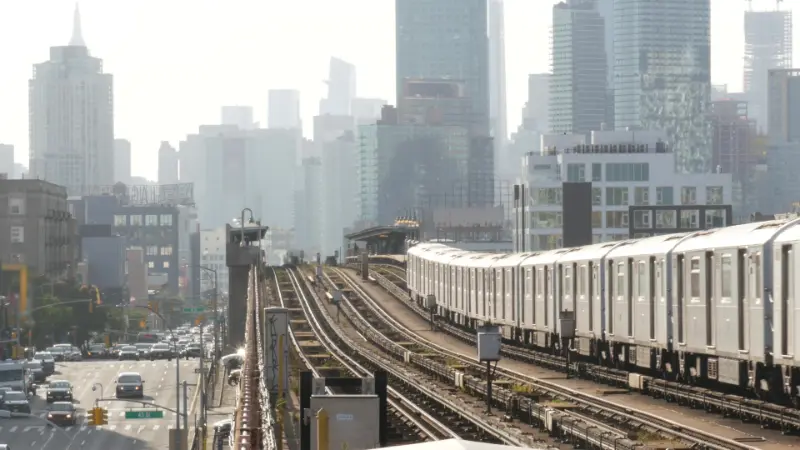
Before making this the fixed point of the day, confirm the current operating details and place it beside nearby stops. A family itinerary is more resilient when one change does not require crossing the city again.
SUMMIT One Vanderbilt
Mirrors, projections and immersive rooms can excite children but may challenge visitors sensitive to reflections, bright effects, heights or crowds. Review rules carefully.
Before making this the fixed point of the day, confirm the current operating details and place it beside nearby stops. A family itinerary is more resilient when one change does not require crossing the city again.
One World Observatory
Mostly indoor and useful in Lower Manhattan, with expansive harbor views. It pairs naturally with the Oculus and 9/11 Memorial area.

Before making this the fixed point of the day, confirm the current operating details and place it beside nearby stops. A family itinerary is more resilient when one change does not require crossing the city again.
Edge
The outdoor deck and glass elements create drama. Families should consider wind, height sensitivity and the Hudson Yards location before choosing it.
Before making this the fixed point of the day, confirm the current operating details and place it beside nearby stops. A family itinerary is more resilient when one change does not require crossing the city again.
Tickets, reservations and avoiding wasted money
Book a timed ticket only after mapping the rest of the day. Read the cancellation and late-arrival rules, then keep the confirmation available offline. Do not assume a third-party listing has the latest age rule, bag policy or accessibility information; verify important conditions on the venue’s own website.
Compare the total family price, including taxes and optional upgrades. A cheaper time that forces an expensive taxi or an awkward meal can cost more overall. City attraction passes may save money when the included places match your plan, but buying a pass first and building the itinerary around it often creates unnecessary rushing.
How to get around without exhausting everyone
Group activities by neighborhood. Manhattan blocks are walkable, yet station corridors, stairs and crowded crossings add hidden distance. With a stroller, check accessible entrances and current elevator status. With older children, explain the route and meeting rule before entering a busy station.
Buses can simplify crosstown trips, while ferries can turn transport into a break with a view. Taxis and ride-hailing vehicles are useful backups, but families must consider the child-restraint rules and equipment they need. Never assume the driver will provide an appropriate seat.
Meals, restrooms and rest breaks
Eat before the busiest lunch or dinner window when possible. Save two nearby options: one appealing choice and one simple backup. Counter service can reduce waiting, while a reservation is valuable before a show or timed attraction. Menu prices do not include every part of the final cost; allow for applicable tax and gratuity.
Use restrooms whenever a good opportunity appears rather than waiting for an emergency. Large museums, libraries and major stores can be practical reset points, but access and changing facilities vary. Carry a small refillable bottle and compact snacks while respecting each venue’s food rules.
Where to stay for an easier family trip
Choose a hotel for daily convenience, not just the lowest nightly rate. Check room occupancy, bed configuration, crib availability, elevator access and whether the nearest useful subway station works for your family. A slightly higher rate can be worthwhile if it eliminates difficult transfers every morning and evening.
Disclosure: Dreaming New York may earn a commission from qualifying hotel bookings, at no extra cost to you.
Check family accommodation in New York City on Booking.com
A flexible half-day plan
Use the first 60–90 minutes for the main experience while attention is strongest. Follow it with food and a low-pressure walk or play stop. Keep the final block optional. If everyone still has energy, continue; if not, return to the hotel without feeling that the day failed.
On a longer trip, alternate high-intensity and easy days. Times Square, a major museum and a Broadway show should not automatically be stacked together simply because they appear close on a map. A waterfront or park morning can restore the balance.
Common mistakes to avoid
- Booking several non-refundable timed entries on the same day.
- Ignoring travel time inside stations and large buildings.
- Waiting until children are hungry or overtired before choosing a meal.
- Carrying more equipment than one adult can manage safely.
- Promising a specific experience before checking age, height or admission rules.
Accessibility and sensory considerations
Accessibility is specific to the route and venue. Check step-free entrances, elevator outages, seating and restroom access directly. If a child is sensitive to sound, darkness, reflections or crowds, look for sensory guidance or contact guest services before buying a fixed ticket.
A technically accessible itinerary can still be exhausting. Shorten the total day, identify quiet reset spaces and avoid the most congested arrival windows. The best family plan is the one your group can enjoy, not the one containing the largest number of famous names.
Useful official resources
Related Dreaming New York guides
- Best observation decks in New York
- Top of the Rock guide
- Empire State Building guide
- New York with kids
Frequently asked questions
How much should a family schedule in one day?
One major attraction, one neighborhood and one flexible extra are usually enough. Add more only when the stops are close and nobody is being rushed.
Should family attractions be booked in advance?
Book essential timed experiences, popular shows and holiday-period visits. Keep parks, walks and casual meals flexible so the day can adapt.
Are strollers practical in New York?
Yes, especially compact models, but subway stairs and elevator outages require route planning. A baby carrier can be a useful backup for younger children.
What is the best time to start?
Morning often provides lighter crowds and better energy. Evening events work better after an intentionally easy afternoon.
How can families control costs?
Mix one paid highlight with free parks, ferries, libraries and neighborhood walks. Compare total ticket costs and avoid upgrades that do not add value for your children.
Final advice
Approach best NYC observation deck for kids as part of a balanced day rather than another item to conquer. Confirm variable details shortly before visiting, keep the route compact and protect time for food, rest and spontaneous discoveries. Those choices usually matter more to a successful family trip than squeezing in one additional attraction.