

Broadway theaters are historic buildings with different layouts, so accessibility must be confirmed for the exact theater, performance and seat. A short morning review of the route, weather, tickets and essential equipment can prevent a small operational change from disrupting the entire day. Share the plan with companions and agree on a suitable pause point before leaving the hotel.
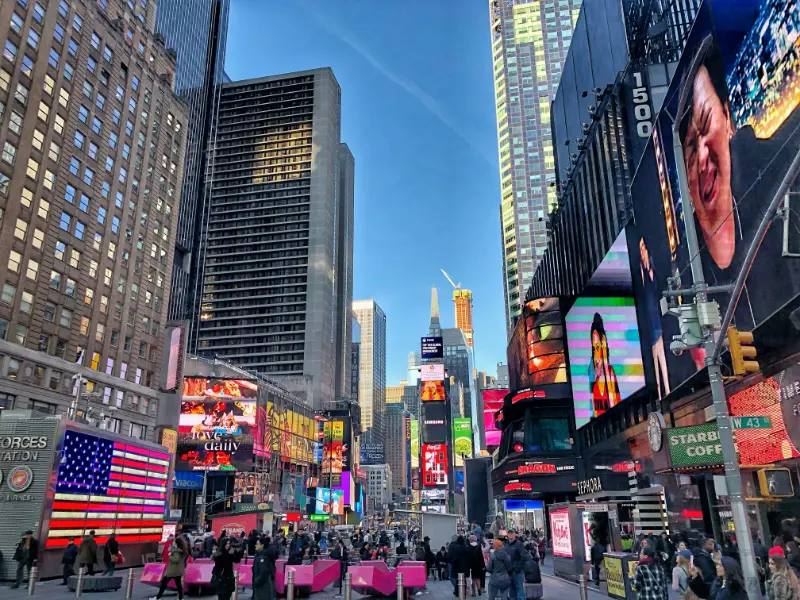
This guide to Broadway accessibility focuses on practical decisions, backup plans and questions worth asking before payment. Accessibility is individual, and conditions can change through elevator outages, construction, crowd management and temporary venue operations.
Quick planning summary
| First check | The exact entrance and step-free route |
|---|---|
| Daily check | Elevator status and transport service changes |
| Best pace | One major attraction plus nearby flexible stops |
| Essential backup | An alternative route that meets the same access needs |
Key decisions and practical advice
Book through an informed channel
Use official ticketing and the theater’s accessibility information, explaining essential seating needs before purchase.
Confirm the detail directly with the operator when it affects safety or whether the visit is possible. Describe the actual requirement instead of asking only whether a place is “accessible,” because that word can cover very different facilities.
Understand seating terminology
Wheelchair locations, companion seats, transfer seats and aisle seats are not interchangeable.
Confirm the detail directly with the operator when it affects safety or whether the visit is possible. Describe the actual requirement instead of asking only whether a place is “accessible,” because that word can cover very different facilities.
Ask about the route
Clarify street entrance, lobby access, elevators, restroom location and stairs between the seat and facilities.
Confirm the detail directly with the operator when it affects safety or whether the visit is possible. Describe the actual requirement instead of asking only whether a place is “accessible,” because that word can cover very different facilities.
Check communication access
Assisted-listening devices, captioning, audio description and sign-language performances vary by production and date.
Confirm the detail directly with the operator when it affects safety or whether the visit is possible. Describe the actual requirement instead of asking only whether a place is “accessible,” because that word can cover very different facilities.
Arrive with a buffer
Security and crowded sidewalks take time, but arriving excessively early may mean waiting outside without seating.
Confirm the detail directly with the operator when it affects safety or whether the visit is possible. Describe the actual requirement instead of asking only whether a place is “accessible,” because that word can cover very different facilities.
Accessibility starts before booking
Write down the features that are essential, helpful and irrelevant for the traveler. Step-free access alone may not answer questions about door width, gradients, seating, hearing support, lighting, restroom layout or the distance between elevators. Contact the property with specific questions and retain the response.
Official accessibility pages are the best starting point, but they cannot predict every personal need. Recent photographs may clarify surfaces and entrances, while guest services can explain the current route. If a critical answer remains vague, choose an alternative with clearer information.
Build a lower-friction itinerary
New York itineraries often underestimate transitions. A ten-minute train ride can include a long approach, multiple lifts and a crowded platform. Limit each day to one geographic cluster and include time for restrooms, meals and unplanned delays.
Make the optional part of the day genuinely optional. A nearby park, café, shop or short waterfront section can expand the plan when energy is good without creating a financial loss when the day needs to end early.
Subway, buses, ferries and taxis
The subway is fast, but accessibility depends on the particular station and functioning elevators. Check the MTA map and live outage information immediately before travel. Note that elevator entrances may sit on a different corner from the most obvious station stairs.
City buses are accessible and can remove stair problems, although traffic and crowded priority areas affect timing. Ferries provide scenic travel, but the distance to piers and gangway conditions matter. For taxis and ride-hailing, request the appropriate vehicle and allow extra time rather than assuming immediate availability.

Walking surfaces, weather and crowds
Sidewalk construction, cellar doors, curb cuts, cobbles and temporary barriers can change the usable path. Rain makes ramps and painted surfaces slippery; snow can narrow curb access; summer heat increases fatigue. The shortest route is not always the easiest.
Major events can turn a normally accessible street into a controlled zone. Recheck parades, races and security closures. Crowds also affect sensory comfort, turning space and the ability to reach an elevator without waiting.
Tickets and companion policies
Read the venue’s official policy before purchasing. Wheelchair spaces, companion seating, transfer seats, reduced admission, personal-care attendants and timed accessibility programs follow different rules. Never assume a generic ticket can be exchanged later for the configuration required.
Keep confirmations offline and arrive within the recommended window. If a venue gives a specific accessible entrance or contact number, save both. Third-party sellers may not display every seating or accommodation detail.
Restrooms, seating and food
Plan reliable restroom stops rather than waiting until they are urgent. Ask where the accessible restroom is located relative to the visit route and whether a key or staff assistance is needed. A facility elsewhere in a large building may still require considerable travel.
Regular seating preserves energy. Museums, libraries, hotel lobbies where permitted and reserved meals can divide the day into manageable sections. Dietary and medication schedules should influence the route rather than being treated as secondary.
Choosing accommodation
Accessible hotel inventory is limited and room labels vary. Verify the entrance, reception route, lift, door widths, bathroom configuration, bed height and any equipment needed. For a guest with a specific requirement, written confirmation from the hotel is valuable.
The surrounding block matters too. Check gradients, curb cuts, accessible transport, food and pharmacy access. A room several blocks farther from a landmark may be easier overall when it sits beside a suitable station and reliable services.
Disclosure: Dreaming New York may earn a commission from qualifying bookings, at no extra cost to you.
Compare New York City accommodation on Booking.com
Equipment, medication and support
Carry chargers, adapters, essential medication and a concise written summary of critical needs. Keep important equipment in hand luggage when flying. Photograph model numbers and bring repair contacts where a device is difficult to replace.
Travel companions should understand how to help without taking control. Agree on lifting, transfers, communication and rest before the day begins. Personal-care needs and medical decisions should be discussed with qualified professionals, not improvised from a tourism article.
Emergency and backup planning
Save the hotel address, emergency contacts and two return routes. A backup must meet the same accessibility requirement as the original; “take another station” is not useful when that station has stairs. Carry enough battery and medication margin for delays.
For immediate emergencies use local emergency services. For non-emergency venue problems, contact staff early while alternatives still exist. Document significant accessibility failures when a refund or formal follow-up may be required.
Questions to send before the trip
A short written checklist produces clearer answers: Which entrance is step-free? Is the route available during my arrival time? Are all public areas reachable? Where is the accessible restroom? Can the venue provide a seat, device or companion location? What happens if an elevator is unavailable? Ask only what applies to the traveler, but make every essential requirement explicit.
For hotels, add room number or category, shower type, bed clearance and door dimensions where needed. For theaters, add seat-transfer and communication-access questions. For transport, check the entire journey in both directions. Retain names, dates and written replies so the arrangement can be confirmed without starting again.
Common mistakes
- Relying on a general accessible label without asking feature-specific questions.
- Building a day around one elevator with no alternative.
- Counting only attraction time and ignoring internal distances.
- Booking a room or theater seat before confirming the exact configuration.
- Treating rest breaks as optional rather than part of the itinerary.
Official resources
Related Dreaming New York guides
Frequently asked questions
Is New York wheelchair accessible?
Many attractions, buses and stations are accessible, but barriers remain and the usable route must be planned specifically.
Are all subway stations accessible?
No. Use the official MTA accessible-station information and check elevator outages before every journey.
Should I contact attractions in advance?
Yes when an entrance, seat, device, interpretation service or accommodation is essential.
Which area is easiest to stay in?
There is no universal answer. Choose the neighborhood whose hotel room, surrounding sidewalks and transport connections best match the itinerary and access needs.
How much should I schedule each day?
One major attraction and one nearby flexible activity provide a realistic foundation, with more added only when energy and conditions allow.
Final advice
Successful planning for Broadway accessibility depends on specificity. Confirm what the traveler actually needs, verify the exact route shortly before use and keep an equivalent backup. That preparation creates more freedom once the trip begins.